Real Case Files: Solving Common Electrical Headaches in Elizabeth
Flickering lights, breakers that keep tripping, and outlets that just stop working are more than small annoyances. In many Elizabeth homes, these little signs point to real electrical problems that can affect comfort and safety if they are ignored.
In this article, we walk through real-world-style electrical troubleshooting in Elizabeth, Colorado. We will look at common symptoms, what was really causing them, how they were fixed, and when a simple repair is not enough. Our goal is to help you understand what is going on behind the walls so you know when it is time to bring in a licensed, insured residential electrician.
Elizabeth has a mix of older ranch houses, newer builds, and rural homes on acreage. Add in afternoon storms, wind, and heavier A/C use as the weather warms up, and your electrical system can get stressed quickly. Flickers or tripping breakers around these times are very common.
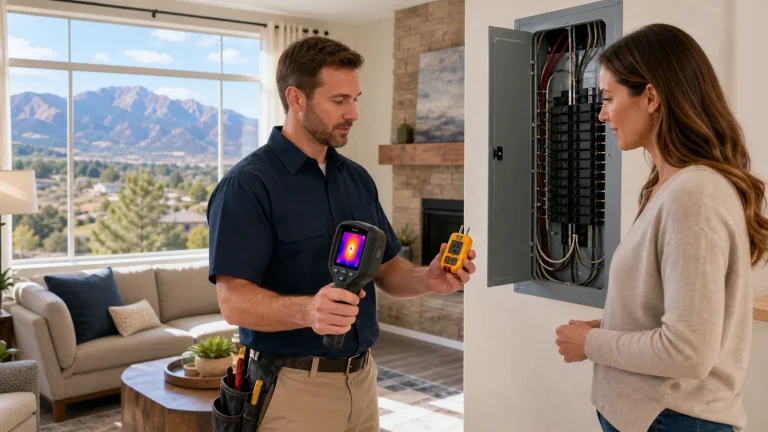
Any time you notice a warm breaker panel, buzzing, a burning smell, or issues that keep coming back, it is time to stop guessing. DIY checks have limits. True troubleshooting should be handled by a qualified electrician with the right tools and training.
Flickering Lights Case Studies: Harmless Quirks or Warning Signs
Not every flicker means an emergency, but it is never something to ignore. Here are a few common patterns we see when doing electrical troubleshooting in Elizabeth, Colorado.
Case Study 1, Loose Neutral in a Kitchen Circuit
A homeowner noticed the kitchen lights flickering every time the microwave or toaster ran. The issue came from a loose neutral connection in a junction box that fed several lights and outlets.
That loose connection caused:
- Voltage swings when big appliances turned on
- Lights that got bright, then dim
- Extra heat at the bad connection, which is a fire risk
The fix was to shut off power, open the box, and tighten and secure all splices with proper connectors. Once corrected, the flicker and the extra heat stopped.
Case Study 2, Aging Recessed Cans and Dimmers
In a living room, recessed can lights flickered only when dimmed. The causes stacked up:
- Older recessed fixtures not designed with LEDs in mind
- Dimmers that were not rated for LED bulbs
- Low-quality LED lamps that did not play well with the dimmers
We replaced the old dimmers with LED-compatible models, checked and tightened all wire connections at the switches and fixtures, and installed good-quality, compatible LED bulbs. After that, dimming was smooth with no flicker.
Case Study 3, Service Drop and Weather Issues
Some homes see whole-house flickering during wind or spring storms. In one case, lights all over the house blinked when the wind kicked up. The problem was not inside at all, but at the meter base and utility service drop outside.
Homeowners can safely:
- Note when the flicker happens, like during wind or storms
- Notice if it affects the whole house or just one area
- Share that info with a licensed electrician
From there, a pro can check the equipment they are allowed to touch and, when needed, work with the power company to correct loose or damaged utility connections.
Tripped Breaker Mysteries: When Circuits Say “Enough”
Circuit breakers trip when they are overloaded or when they sense a problem. When a breaker keeps tripping, it is the system telling you something is wrong.
Case Study 1, Overloaded Kitchen Circuit
A busy kitchen had an air fryer, coffee maker, and toaster all plugged into outlets on the same 15-amp circuit. During breakfast rush, the breaker kept tripping.
Older kitchens were not designed for today’s high-power countertop appliances. The combined load was more than the circuit could safely handle. The long-term fix was to install a new dedicated circuit for some of the heavy appliances so the load was spread out correctly.
Case Study 2, A/C and Space Heater Conflict
In late spring, a homeowner wanted to warm up a cool room while also running a window A/C unit. Both drew power from the same general circuit, and the breaker tripped any time both were on.
Large loads like space heaters and A/C units often need their own dedicated circuits. We traced the circuit, shifted certain outlets to different breakers, labeled the panel clearly, and made sure heavy loads were on appropriate circuits. With better circuit layout, the nuisance trips stopped.
Case Study 3, Ground Faults in Bathrooms and Garages
A GFCI breaker for an attached garage kept tripping, even when it seemed nothing had changed. After testing, we found moisture intrusion in an exterior outlet box and a worn extension cord plugged into a garage outlet.
GFCIs are designed to protect people from shock, especially in wet locations. When they trip, they are doing their job. Homeowners can try a few basic steps:
- Unplug everything on the circuit
- Reset the GFCI or breaker
- Plug in devices one at a time to see if one causes a trip
If it keeps tripping or if there is moisture or damage, it is time for professional troubleshooting.
Dead Outlets and Half-Working Rooms: Hidden Wiring Problems
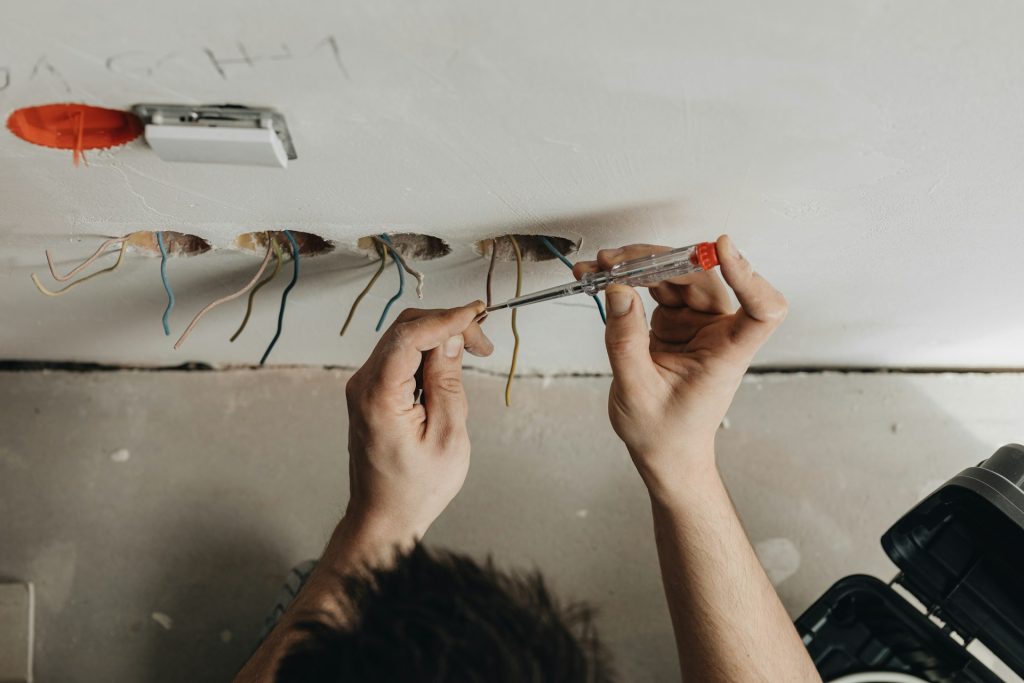
Dead outlets often point to a single weak link somewhere on the circuit. Finding that weak link takes careful testing and experience.
Case Study 1, Tripped GFCI Upstream
In many bathrooms or garages, several outlets can all die at once. Often, they are protected by one GFCI receptacle located somewhere else, like behind stored boxes or near a door.
Simple checks a homeowner can try:
- Look for GFCI outlets in nearby rooms, garages, and outside walls
- Press the reset button to see if power comes back
- If it will not reset or trips right away, stop there and call a pro
Case Study 2, Backstabbed Connections in Older Homes
In a mid-1990s-style home, several living room outlets stopped working. The outlets had backstab connections, where wires are pushed into small holes on the back of the device. Over time, these can loosen.
Loose backstab connections can cause:
- Intermittent power loss
- Small arcs inside the outlet
- Heat build-up at the weak connection
We restored power by moving the conductors to the side screw terminals and tightening them properly along the entire circuit. This gave a more secure and reliable connection.
Case Study 3, Rodents and Rural Properties
On rural properties around Elizabeth, it is common to have barns, sheds, and long runs of exterior wiring. In one case, barn and exterior outlets went dead because rodents had chewed through wires in an accessible junction box.
For rural homes, it helps to:
- Use conduit or protective covers in areas where animals can reach wiring
- Keep junction boxes sealed and rated for the location
- Have periodic electrical inspections, especially after signs of pests
When a Simple Fix Is Not Enough: Panel Upgrades and Rewiring
Sometimes, constant flickers, trips, and dead spots are not just separate problems. They are symptoms of an electrical system that is too small or too outdated for how the home is used.
Case Study, From Constant Troubleshooting to Full Upgrade
We sometimes see homes with:
- A main panel that is full, with no room for new circuits
- Frequent tripped breakers when A/C units, tools, or space heaters run
- Heavy use of power strips and extension cords for everyday needs
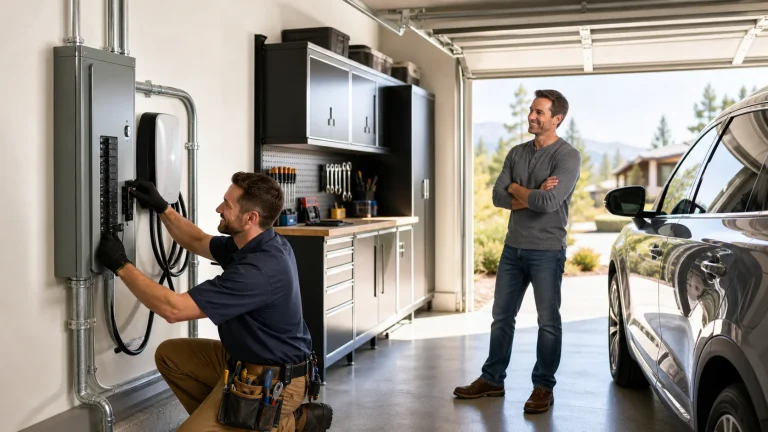
Each problem might be fixable on its own, but together they show that the panel and wiring layout no longer match the home’s demands. Upgrading the main service panel and adding new dedicated circuits can reduce nuisance trips and support things like EV chargers, hot tubs, or mini-split A/C units.
During troubleshooting, we may also uncover:
- Aluminum branch wiring in some older homes
- Ungrounded circuits that lack a safe return path
- Extension cords used as permanent wiring to reach sheds or seasonal loads
In those cases, the safest path can be partial or full rewiring and bringing parts of the home up to modern code. Careful, professional electrical troubleshooting in Elizabeth, Colorado helps homeowners plan these upgrades in stages, before small issues grow into emergencies.
Turn Your Electrical Problems Into Safe, Lasting Solutions
Flickering lights, tripped breakers, and dead outlets might seem random, but they are signals. The real key is not just resetting a breaker or swapping a bulb, it is finding the true cause and deciding whether a repair, a circuit change, or a bigger upgrade is the smartest long-term move.
As the weather warms and more loads get added for cooling, tools, and outdoor living, this is a good time for homeowners in Elizabeth and nearby communities to pay attention to what their electrical systems are telling them. With careful troubleshooting and thoughtful planning, those small electrical headaches can turn into safer, stronger systems that serve your home for years.
Get Started With Your Project Today
If your home is showing signs of electrical issues, we are ready to help you track down the problem and fix it safely. Learn how our team handles electrical troubleshooting in Elizabeth, Colorado so you can feel confident in your system again. At Pink Brick Electric, we take the time to explain your options and provide clear recommendations, not guesswork. Reach out through our contact us page to schedule your service and get your project moving.