Stay Safe While Solving Electrical Issues at Home
Electrical problems at home can feel scary, but they do not always mean there is an emergency. Some issues are simple and can be checked safely by a homeowner. Others are signs of a bigger problem that should only be handled by a licensed electrician.
At Pink Brick Electric, we are a local, owner-operated residential electrician serving Elizabeth and nearby communities. Our goal is to help you understand what is safe to look at on your own and where you should stop and call a pro. This helps protect your family, your home, and your peace of mind.
As days get longer, many homeowners start more projects: outdoor living spaces, garage cleanups, and yard work. That is when electrical curiosity often spikes. Before you start flipping breakers or taking things apart, it helps to know your limits and some simple, safe checks you can do without putting yourself at risk.
Know Your Limits Before You Touch a Switch
Not all electrical work is the same. Some things are “eyes only” checks that are generally safe. Others involve real shock and fire danger. The line between the two is where many people get into trouble.
DIY-safe electrical checks usually stay on the surface and do not involve opening up equipment or changing wiring. These include:
- Looking for obvious damage, like cracked plates or loose outlet covers
- Checking that light bulbs are the correct type and screwed in snugly
- Pressing Test and Reset buttons on GFCI outlets
- Gently resetting a tripped breaker without removing the panel cover
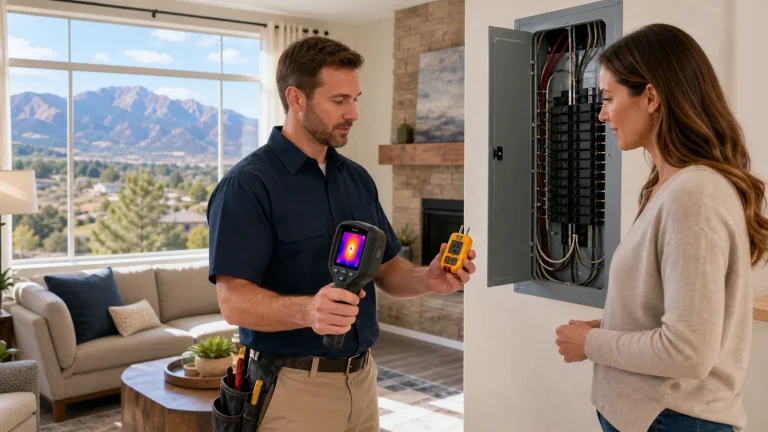
Anything that means working inside your main electrical panel should not be DIY. The panel is where power from the utility comes into your home. There is live power inside even when the main breaker is off, so this is work for a licensed electrician only.
Things homeowners should not attempt include:
- Opening the main panel or subpanels, other than the door to see breakers
- Rewiring circuits or moving breakers to different spots
- Adding new outlets, switches, lights, or circuits
- Altering or repairing aluminum wiring
- Any repair you are not fully confident and qualified to perform
In Colorado, many types of electrical work require permits and must meet code. Unpermitted or incorrect work can create fire risks, cause shock hazards, and lead to trouble with home insurance or resale later. Even if something “seems to work,” it may still be unsafe or not up to code.
Simple, Safe Checks You Can Do Right Now
There are a few basic things most homeowners can check without tools or training. These checks are about observation and simple reset steps, not taking anything apart.
Start with light bulbs:
- Check that bulbs are not loose in the socket
- Make sure you are using the correct wattage listed on the fixture
- Replace burned-out bulbs with new ones of the proper type
GFCI outlets, often found in kitchens, bathrooms, garages, and outdoor areas, are another good place to start. If a GFCI outlet is not working:
- Press the “Reset” button firmly once
- If it trips again right away, unplug what is connected and try once more
- If it will not reset, or keeps tripping, stop and call a pro
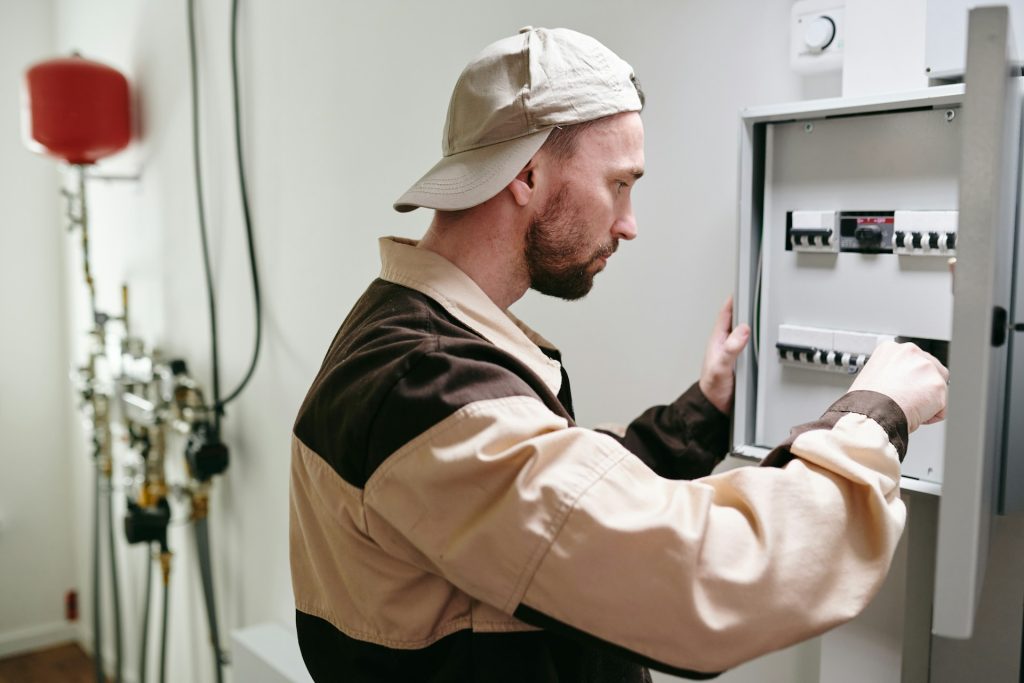
You can also safely check your breaker panel without removing the cover. If you have a partial power outage:
- Open the panel door and look for a breaker that is not fully in the ON position
- To reset, push it firmly to OFF, then back to ON once
- Never tape a breaker on, never flip breakers rapidly, and never force one that feels stuck
Late spring is a good time for a few seasonal checks too:
- Look at outdoor outlet covers to be sure they close properly and are not broken
- For “in-use” covers, confirm they can close over a plugged-in cord
- Inspect extension cords before summer use, and replace any with cuts, cracks, or loose plugs
- Glance at landscape lighting for obvious damage or exposed connections
Follow simple safety rules while you do these checks: dry hands, dry ground, good lighting, and no work on anything that is powered if you need to touch bare metal parts. If, at any point, you feel unsure, pause and bring in a licensed electrician like us.
Warning Signs That Demand a Licensed Electrician
Some electrical problems are not for DIY at all. They are strong warning signs that something serious may be going on behind the walls or inside your panel.
Call a licensed electrician if you notice:
- Burning or hot plastic smells, even if you do not see smoke
- Scorch marks, dark discoloration, or melted spots on outlets or switches
- Breakers that trip often, especially the same one repeatedly
- Buzzing, crackling, or sizzling sounds from outlets, switches, or the panel
- Lights flickering in several rooms at the same time
Many homes in and around Elizabeth have aging electrical systems. Older panels, lack of proper grounding, and aluminum wiring in some homes can all add hidden risks. Long chains of power strips and extension cords can also be a sign that your home needs more circuits or outlets.
These issues are serious because they raise the risk of electrical fire and shock. They can also damage sensitive electronics and appliances over time. If they are not corrected by a licensed, insured electrician, they may lead to code problems that get worse instead of better.
Outdoor and Seasonal Issues You Should Not Ignore
Outdoor electrical problems can sneak up on you, especially around late spring and early summer when snowmelt, sprinklers, and storms are common. Moisture and electricity do not mix well, so it pays to be cautious.
Watch out for:
- Weather-exposed outlets with broken or missing covers
- Extension cords left outside that are cracked or sitting in wet areas
- Hot tub or pool equipment that trips breakers or GFCIs
- Landscape lighting that works off and on, or cuts out after rain
Moisture from snowmelt, heavy rain, and storm splash in Douglas and Elbert counties can find its way into boxes and fixtures. That is why outdoor outlets should be GFCI-protected and have proper covers that can close fully.
DIY-safe outdoor checks include:
- Looking for obvious damage or loose parts on outlets and lights
- Making sure covers close, especially with cords plugged in
- Testing outdoor GFCI outlets with the Test and Reset buttons
- Unplugging any suspect cord or fixture that looks damaged
Outdoor problems that should be handled by a pro include buried wiring faults, repeated tripping of outdoor breakers or GFCIs, and any trouble with hot tub or pool wiring. Those systems have special code requirements and higher risk if something is wired incorrectly.
When to Call Pink Brick Electric for Peace of Mind
A simple rule helps: if you see, smell, or hear anything unusual from your electrical system, or if a problem keeps coming back after basic, DIY-safe checks, it is time to bring in a licensed electrician for electrical troubleshooting in Elizabeth, CO.
At Pink Brick Electric, we are owner-operated and focused on residential work, so you get clear explanations, code-compliant repairs, and local knowledge of how homes in Elizabeth, Franktown, Castle Rock, and nearby areas are built. Keeping a short list of recurring issues, like which rooms flicker or which outlets feel warm, can help us track down the cause faster and keep your home ready for summer projects and everyday life.
Get Started With Your Project Today
If you are dealing with flickering lights, tripped breakers, or outlets that are not working, we are ready to help you pinpoint the cause and fix it safely. Learn more about our expert electrical troubleshooting in Elizabeth, CO and how Pink Brick Electric can restore reliability to your home’s electrical system. When you are ready to schedule service or ask a question, simply contact us and we will follow up promptly to discuss your needs.