Why Electrical Inspections Protect Colorado Springs Homes
A home electrical inspection is a careful check of your wiring, panel, outlets, and safety devices to see how well they work and how safe they are. For Colorado Springs homes, this matters in both older neighborhoods with aging systems and newer builds that have more gadgets and higher loads. When something is hidden in a wall or panel, small problems can grow without anyone seeing them.
Around our area, we often see risks like older wiring that was never upgraded, DIY projects in basements and garages, and panels that were added to during past remodels without a clear plan. High-altitude weather can add stress too, with lightning, snow, and big temperature swings pushing your system harder. All of this makes regular checks more than just a nice idea.
A good inspection helps lower fire risk, keeps your insurance company happier, and can prevent surprises during an appraisal or home sale. It also helps you stay closer to current electrical code, so future upgrades or resale are smoother. Not every inspection is the same, though, and choosing the right kind of home electrical inspection in Colorado Springs can protect your budget and your peace of mind.
When Colorado Springs Homes Need an Electrical Checkup
You do not need to wait for something to break before you have your system checked. There are certain times in a home’s life when an electrical checkup is smart planning. A few common triggers:
- Buying or selling a home
- Adding large appliances like a new range or AC unit
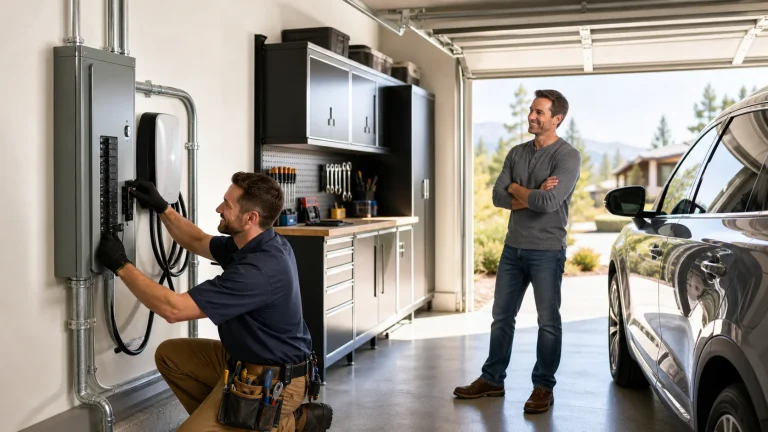
- Installing an EV charger or hot tub
- Finishing a basement or major remodel
As fall comes and nights get colder, many homes start using space heaters, holiday lights, and more indoor lighting. That extra load shows weak spots fast, often at the worst time, like during a snowstorm. A pre-season inspection can catch issues before breakers start tripping or outlets overheat.
You should never ignore warning signs such as:
- Flickering or dimming lights
- Breakers that trip often or will not reset
- Outlets or switches that feel hot or look discolored
- Buzzing sounds from the panel or walls
- Any burning or melting smell near electrical devices
Waiting until there is smoke or a complete outage usually means more damage and more stress. A proactive inspection is almost always easier, safer, and less disruptive than an emergency visit in the dark.
Comparing Basic, Comprehensive, and Specialty Inspections
Not every home needs the same level of inspection. We usually talk about three main types: basic, comprehensive, and specialty add-ons.
A basic safety inspection is like a checkup for obvious problems. It often covers:
- Main panel cover off for a quick look at breakers and labeling
- Spot checks of outlets and switches, especially in busy rooms
- GFCI testing in kitchens, bathrooms, garages, and outdoors
- A look at smoke detectors and simple safety devices
These are helpful for newer homes with no major issues, or as a quick safety review before listing a home for sale.
A comprehensive whole-home inspection goes deeper. It can include:
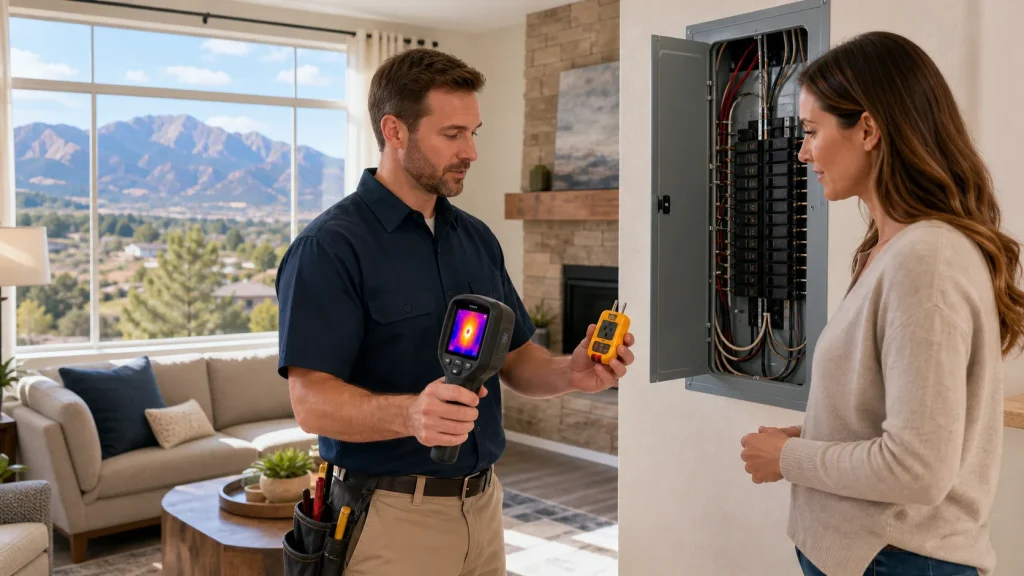
- Detailed panel inspection, including breaker sizing and wiring terminations
- Circuit mapping, so you know what feeds each area or big appliance
- Load checks to see if your panel can support future plans
- Attic and crawlspace wiring checks where problems often hide
- Aluminum wiring assessments where applicable
- Grounding and bonding review for the whole system
This is usually best for older homes, homes with past remodels, or any house that has had repeated electrical problems.
Specialty inspections focus on specific systems, such as:
- EV charger readiness and circuit capacity
- Hot tub, sauna, or pool circuits
- Solar system tie-in points and related equipment
- Generator transfer switches and backup setups
- Whole-home surge protection planning
First-time buyers might start with basic or comprehensive, depending on the home’s age. Owners of older houses or heavy remodels usually benefit from a full comprehensive review. Tech-heavy homes with EVs, hot tubs, and lots of electronics often need both comprehensive and some specialty checks.
Home Inspector vs Licensed Electrician in Colorado Springs
General home inspectors provide a wide-angle view of the property. They look at roofing, plumbing, structure, HVAC, and electrical, often in a short visit. Their electrical work is mostly visual, using simple testing tools, and the report is meant to flag areas that need a closer look.
A licensed residential electrician focuses only on the electrical system. We are trained to safely open panels, test loads, trace circuits, and compare what we see with current code. Instead of just saying “have this checked,” we can usually tell you what is wrong, why it is unsafe, and what it will take to correct it.
When it comes to liability, permits, and code compliance, that difference matters. Complex issues, panel work, circuit changes, and safety upgrades should only be diagnosed and handled by a licensed electrician. Some common problems that a general home inspection might only note loosely, and that an electrician can fully uncover, include:
- Overloaded or double-tapped breakers
- Hidden junction boxes in walls or ceilings
- Incorrect grounding or bonding in older homes
- Unsafe aluminum wiring terminations where present
- Miswired GFCI or AFCI devices
Using both can be helpful, but they do different jobs, and the electrician is the one who actually makes your system safe and code compliant.
What a Professional Home Electrical Inspection Includes
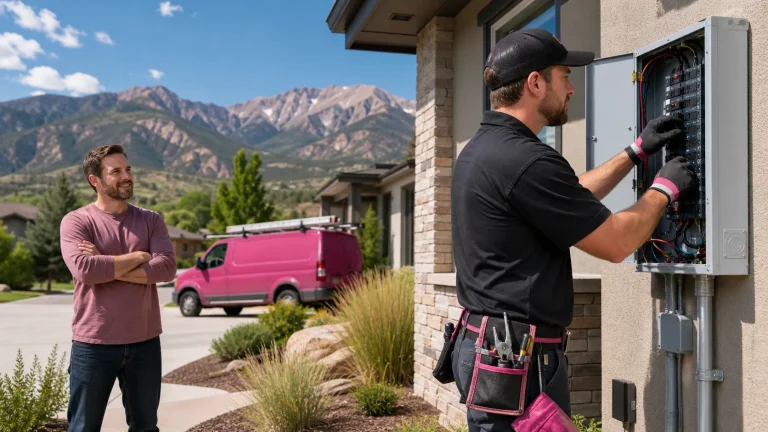
A thorough home electrical inspection in Colorado Springs follows a clear path through your home. At the panel, we look at:
- Main breaker size and condition
- Correct breaker types and sizes for each circuit
- Signs of overheating, corrosion, or loose connections
- Grounding and bonding conductors and terminations
- Outdoor feeder and service entrance connections where visible
Inside, we focus on safety in high-use and high-risk areas:
- Proper GFCI protection in kitchens, bathrooms, laundry, garages, and outdoors
- AFCI protection in living areas and bedrooms where required
- Outlet condition, spacing issues, and missing covers
- Switch function and any signs of arcing or heat
- Smoke and CO detector placement and age
- Child-safe devices where they make sense
For exterior and garage spaces, we focus on:
- Weatherproof outlets and in-use covers outside
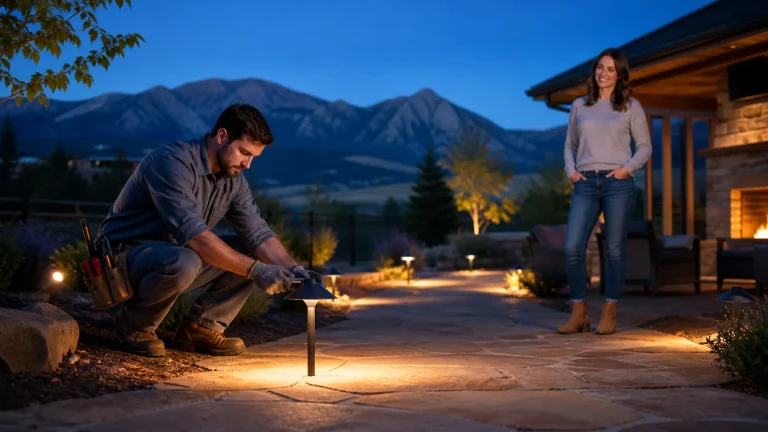
- Safe connections for landscape and exterior lighting
- Correct wiring methods in garages and sheds
- Safe, properly fed subpanels or EV outlets
At the end, you should receive a clear written summary. A good report usually ranks items by urgency, such as “urgent safety,” “recommended repair,” and “future upgrade ideas.” It should also lay out what type of work is needed, so you understand the path forward before any tools come out.
Cost, Value, and Red Flags When Choosing an Inspector
Pricing for electrical inspections depends on the size and age of the home, how detailed the inspection is, and whether you add specialty checks for things like EV chargers, hot tubs, or generators. A small newer home with a basic inspection will be different from a large older house with a full top-to-bottom review.
The real value is in what you avoid: panel failures that take out half the house, damage to appliances or electronics from bad wiring or surges, or a safety issue that leads to smoke or fire. A careful inspection can also make future projects smoother, because your electrician already understands your system.
When comparing providers, pay close attention to red flags:
- No proof of license or insurance
- A very vague scope with no clear list of what is checked
- Very low “too good to be true” prices
- Pressure to replace everything without a clear reason
- Refusal to provide written findings
Helpful questions to ask include:
- What exactly is covered in your inspection?
- Will you open the main panel?
- Will I receive a written report with priorities?
- How familiar are you with local code and utility requirements?
Working with someone who knows Colorado Springs homes and conditions makes it easier to spot common local issues and suggest practical fixes that match how people really live here.
Partner with a Local Electrician You Can Trust
As days get shorter and we all spend more time indoors, electrical systems work harder. A thoughtful inspection before you add new loads or start leaning on space heaters and lighting can protect your home, your plans, and your budget. It is much easier to deal with a loose connection in mild weather than in the middle of a cold night outage.
At Pink Brick Electric, we are a licensed, insured, owner-operated residential electrician serving Colorado communities around Colorado Springs and Monument. We focus on safe, code-compliant repairs, upgrades, and installations, and we treat every home as if it were our own. A well-planned inspection can support your lifestyle upgrades now and help your home stay ready for future resale, with fewer surprises and a lot more peace of mind.
Get Started With Your Project Today
If you are unsure about the condition of your wiring, schedule a professional home electrical inspection in Colorado Springs with Pink Brick Electric so we can identify issues before they become costly hazards. We take the time to explain what we find and recommend clear, practical next steps. Reach out today through our contact page so we can help you make your home safer and more reliable.