Electrical problems can go from annoying to dangerous very fast. Knowing when something is a true emergency helps you protect your home and your family. In older Colorado Springs neighborhoods and newer homes with lots of big appliances, the wiring and panel can be under more stress than you might think.
Here, we’ll walk through common warning signs, weather-related issues, and specific situations when you should treat an electrical issue as an emergency. We will also share simple safety steps to take while you wait for a licensed residential electrician.
Know When an Electrical Issue Becomes an Emergency
An electrical emergency is any problem that could cause a fire, shock, or serious damage if it is not fixed right away. This might be active sparks, burning smells, smoke, or parts of your home losing power in strange ways.
Waiting too long can:
- Raise fire risk inside walls or at the panel
- Damage appliances and electronics
- Create shock hazards for kids, pets, and adults
It is usually safe to wait for a scheduled visit when a problem is minor and not changing, like a single dead outlet that is not warm, buzzing, or burned. It becomes an emergency when you see, smell, or hear signs of overheating, arcing, or failing equipment or when parts of the home lose power in an unusual pattern.
Warning Signs You Should Never Ignore
Frequent breaker trips and panel problems are some of the clearest early warnings.
Watch for:
- The same breaker tripping again and again, especially when you plug in the same appliance or use the same outlets
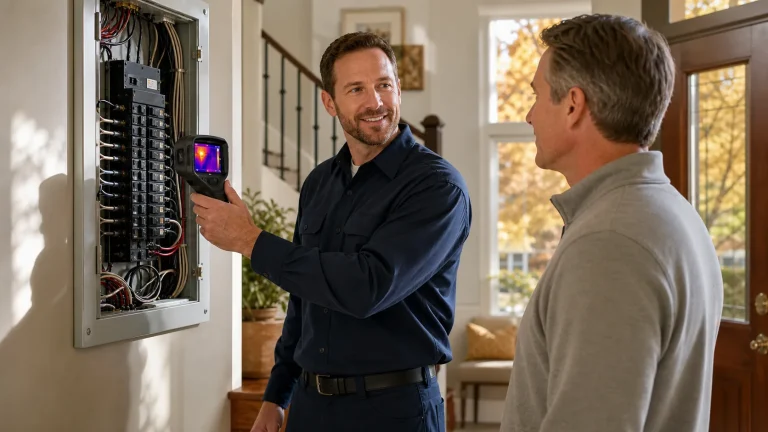
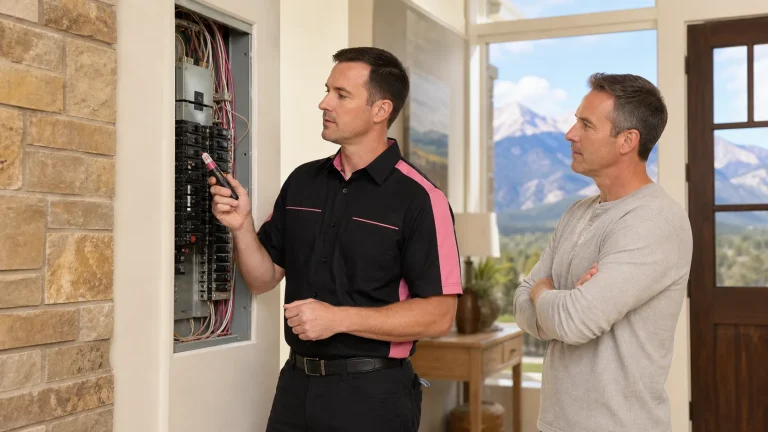
- A main breaker that feels warm or hot, hums or buzzes, or gives off a burning smell
- An older or obviously overloaded panel that struggles when you run EV chargers, hot tubs, multiple space heaters, or other heavy loads
Burning smells, smoke, or scorch marks are even more serious. Sudden odors like burning plastic or a fishy smell near outlets, switches, or lights, even if you do not see smoke yet, are big red flags. Outlets or switches that:
- Look discolored or brown around the edges
- Show scorch marks or melted plastic
- Feel hot to the touch
may already have wires overheating in the box or behind the wall.
Shocks, tingles, and flickering lights are also warning signs. Mild shocks or tingling when you touch appliances, metal fixtures, or switches can mean poor grounding or damaged wiring. Lights that dim or flicker when a large appliance starts up can point to loose connections or voltage drop. What may seem like a quirky light or finicky switch can sometimes be the early stage of a serious failure.
Emergencies Tied to Colorado Springs Weather and Seasons
Our local weather adds extra stress to home electrical systems.
Storm-related damage and lightning strikes can cause power surges and sudden failures. Late-summer and fall storms often bring strong lightning that can damage panels, breakers, and surge protectors. Signs that a surge or strike may have harmed your system include:
- Smoke or popping sounds from outlets, lights, or the panel
- Entire circuits suddenly going dead
- The main breaker tripping and not resetting
Whole-home surge protection and a professional inspection after a major storm can help catch hidden problems before they turn into emergencies.
Snow, ice, and cold spells bring their own issues. Early cold snaps often mean heavy use of:
- Space heaters
- Electric fireplaces
- Heated blankets
All of these pull a lot of power. Power strips and extension cords can overheat if used with high-draw devices or if they are old or damaged. If breakers keep tripping during a cold spell, it might not just be “too many things plugged in.” It can be a sign that the circuit or panel is at its limit and needs attention fast.
Power outages, partial power, and brownouts are another concern. A full neighborhood outage is usually on the utility side. But if:
- Only some rooms lose power
- Lights stay on but are very dim
- Appliances struggle or sound odd
you could have a serious issue with your service, meter, or panel that calls for prompt emergency repair.
Specific Situations That Call for Immediate Emergency Help
Some situations should always be treated as immediate emergencies.
Exposed or damaged wiring is one of them. Wires chewed by rodents in basements, crawlspaces, or garages can easily arc or spark, especially as people prep for winter and move storage boxes around. DIY projects can also leave:
- Open junction boxes
- Loose wire nuts
- Cut or nicked cables
Any visible sparks, arcing, or buzzing at outlets, fixtures, or the panel should be taken very seriously.
Water and electricity together are another urgent hazard. Leaks from roofs, bathrooms, or ice dams can reach light fixtures, fans, or recessed lighting. Flooding in basements or utility rooms can affect outlets, extension cords, and even the main panel. In these cases:
- Do not step in water that might be in contact with electrical parts
- If you can safely reach it, turn off the main breaker
- Keep family and pets away and wait for a licensed electrician
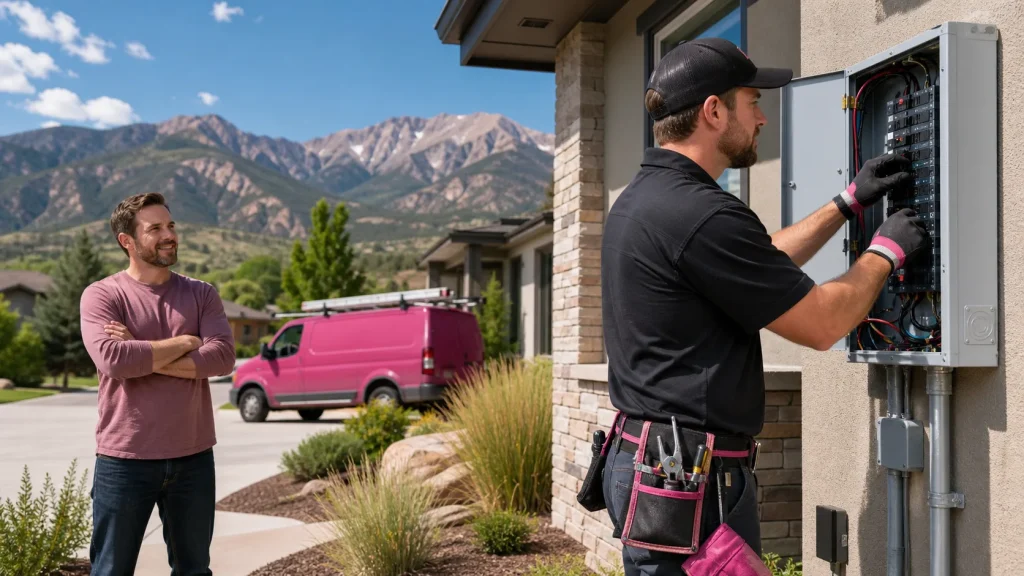
Heat, noise, and unusual odors from your panel are also a big warning. A panel that is hot, crackling, or buzzing, even if nothing has tripped, can be failing internally. Smells like hot metal, burning insulation, or melted plastic near the panel or meter often point to urgent problems inside the equipment that require fast professional attention to help prevent fire.
What to Do Before the Electrician Arrives
Your first job in an electrical emergency is to keep people safe. That may mean:
- Turning off the problem circuit if the breakers are safe to touch and not hot, buzzing, or damaged
- If needed, turning off the main breaker, using only one hand and standing on a dry surface
- Leaving everything alone and moving away if there is active smoke, flames, or strong burning odors
Kids and pets should be kept away from any affected area, standing water, or equipment that is hot, noisy, or damaged. If you see smoke, flames, or you feel that the situation is getting out of control, call the fire department before anything else.
To protect your home and electronics, you can unplug sensitive devices if it is safe and dry. Avoid using extension cords or power strips while you are dealing with an emergency. Do not start cleaning up water around outlets, cords, or appliances until a professional says it is safe. Taking photos or short notes of what you see, hear, or smell can help your electrician find the problem faster.
A licensed, owner-operated residential electrician who knows Colorado Springs homes can be especially helpful during emergencies. Local experience with neighborhood wiring styles, common panel types, and typical seasonal loads means faster troubleshooting and clear explanations. When the same person inspects, repairs, and talks you through your options, it is easier to get code-compliant fixes that reduce the chances of facing the same emergency again.
Stay Safe Year-Round with Proactive Electrical Care
Recognizing these warning signs and acting quickly can help prevent electrical fires, protect appliances, and avoid even bigger problems later. Small clues like frequent breaker trips, odd smells, or lights that flicker under load should never be ignored.
Regular inspections, panel evaluations, and surge protection checks before peak storm and heating seasons can keep your system ready for everyday life. At Pink Brick Electric, we focus on residential troubleshooting, repairs, upgrades, and new wiring for homeowners in Colorado Springs and nearby communities so you have a licensed professional to trust when every minute counts.
Protect Your Home With Fast, Reliable Electrical Help Today
If you are dealing with flickering lights, tripped breakers, or wiring concerns, we are ready to help you restore safety and comfort quickly. Our licensed electricians provide expert electrical emergency repair in Colorado Springs so you can get your power back on and know the job was done right. Reach out to Pink Brick Electric today to schedule service or ask questions about your specific issue. If you need to talk through an urgent problem or book a visit, simply contact us and we will respond promptly.