Stop Ignoring Those Old Light Switches
Old light switches are easy to overlook, especially when they still turn the lights on. But switches that crackle, feel warm, or make lights flicker are trying to tell you something. Those small signs can point to loose connections or worn parts that are not safe for your home.
Common warning signs include:
- Crackling, sizzling, or popping when you flip the switch
- Switch plates that feel warm or look yellowed or brown around the edges
- Wobbly or loose toggles that do not click firmly
- Lights that blink, dim, or lag when you use the switch
Aging or faulty switches are more than an annoyance. Inside the wall, there may be arcing, brittle wiring, or overloaded parts that raise the risk of an electrical fire. As a local, owner-operated residential electrician, we focus on safe, code-compliant light switch installation in Colorado Springs homes so families can relax when they flip a switch.
In this article, we will walk through how to question those old switches safely, what simple checks you can do without tools, when it is time to call a licensed electrician, and what you can expect from a professional upgrade.
Hidden Risks Lurking Behind Old Wall Switches
A light switch is small, but there is a lot happening behind that cover. In older homes, it is common to find wiring that has seen many seasons of use and sometimes past repairs that were not done correctly.
Behind a decades-old switch, you might find:
- Brittle or cracked wire insulation
- Outdated wiring methods that no longer match current code
- Worn-out switch mechanisms that no longer grip wires well
In the Colorado Springs and Monument areas, our dry climate and seasonal temperature swings can be hard on electrical parts. Houses settle, framing shifts slightly, and connections that were once tight can loosen over time. That movement, mixed with years of switching on and off, can stress the wiring in the box.
The biggest risks are often hidden, such as:
- Arcing inside the switch when contacts do not meet cleanly
- Melted or carbonized contacts that build heat
- Loose backstabbed connections that can overheat behind the wall
Even if a switch still works, its age, sound, and feel can point to problems. A switch that feels spongy, sticks halfway, or makes a faint buzz is telling you it needs a closer look from a trained electrician who can safely inspect what you cannot see.
Safe at-Home Checks Before You Call an Electrician
You do not need tools to spot warning signs. You also do not need to open anything or touch bare wires. A simple walk-through of your home can help you decide what needs attention.
Here are safe, at-home checks you can do:
- Stand close and listen while turning the switch on and off. Note any crackles, sizzles, or pops.
- Lightly rest the back of your fingers on the switch cover after the lights have been on for a bit. It should feel like room temperature, not hot.
- Look closely at the plate and the switch. Check for cracks, stains, scorch marks, or melted spots.
- Flip the switch while watching the lights. Look for flicker, delay, or a quick flash at the bulb socket.
If you see a spark inside a fixture when using a switch, or if the light cuts in and out with a gentle tap on the wall, that is worth noting. Turn the switch off and leave it off until a professional checks it.
Just as important is what you should not do:
- Do not remove cover plates to peek inside
- Do not try to tighten screws or tug on wires
- Do not work on any live circuit or guess which breaker is correct
You can write down what you notice, including which room the switch is in and what it controls. Some homeowners like to take quick photos of discolored plates or labels on older switches so an electrician can quickly spot patterns and decide where to start.
When It’s Time for New Light Switches
At some point, repair is not worth the risk and replacement is the smart move. Clear signs that it is time for new switches include:
- Crackling, buzzing, or humming sounds when the switch is used
- Brown, black, or melted areas on or around the switch
- A toggle or rocker that is loose, wobbly, or feels rough instead of crisp
- A switch that feels noticeably warm during normal use
Even if nothing has failed, there are good reasons to upgrade. New switches can make your home more comfortable and easier to use. Many homeowners choose:
- Dimmers for living rooms, dining areas, and bedrooms
- Rocker-style or larger switches that are easier to see and press
- Smart or specialty switches in key locations
- Safer options in homes with children or aging family members
Late summer is a great time to think about these upgrades, before shorter days and heavier lighting use put more stress on older switches. Professional light switch installation in Colorado Springs helps make sure your new switches are correctly rated for the circuit, grounded where required, and installed to match current Colorado electrical code. That way, you get both convenience and peace of mind.
What Professional Switch Replacement Really Involves
Many people are surprised at how much care goes into replacing what looks like a simple switch. It is not just a quick swap of one part for another.
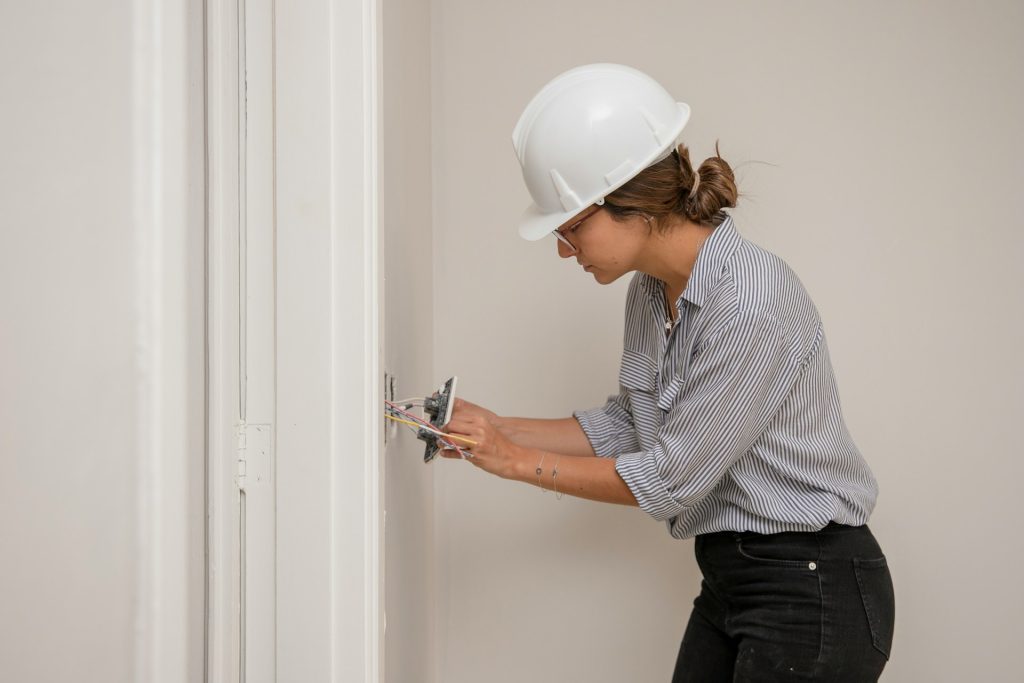
A typical professional process includes:
- Turning off the correct breaker and verifying there is no power at the switch
- Removing the old switch and gently checking the condition of the box and wiring
- Repairing or tightening wire connections so they are mechanically secure and properly contained
- Installing the new switch so wires are sized, stripped, and routed correctly
Safety and code details matter. Electricians look at box fill limits so there are not too many wires jammed into a small space. Grounding is checked or added where needed. In some areas of the home, certain circuits may need special protection like AFCI or GFCI at the panel or device level. The switch itself must match the load it controls, including special fixtures or multi-way setups.
Hiring a local, owner-operated electrician means you get consistent workmanship and clear communication from the person actually doing the work. Someone who works in Colorado Springs and Monument homes every day understands the mix of new builds, mid-aged houses, and older properties, and is used to what shows up behind those walls. Light switch installation in Colorado Springs can also be paired with other safety upgrades, such as updating older outlets or taking a closer look at the main panel, so your home’s system works together as a whole.
Take the Safe Next Step with Your Home’s Switches
Old or suspicious light switches are not something to ignore until you smell burning or the lights quit for good. Small warning signs today can prevent bigger problems in the future. A simple walk-through of your home, paying attention to sound, feel, and appearance, can tell you a lot.
Start with the spaces you use most, like the kitchen, bedrooms, and busy hallways. Note any switches that crackle, feel loose, run warm, or look damaged, and keep them switched off if they worry you. When you are ready, a licensed residential electrician, like our team at Pink Brick Electric, can provide a code-compliant evaluation and safe upgrade path that fits how you and your family use your home.
Get Started With Your Project Today
If you are ready to upgrade your home’s lighting, our team at Pink Brick Electric is here to help you with professional Light switch installation in Colorado Springs. We will walk you through your options, answer your questions, and complete the work with careful attention to safety and detail. To discuss your project or schedule service, simply contact us and we will follow up promptly.