Safer, Smarter Homes: Why Electrical Codes Matter
Electrical code sounds technical, but it really comes down to one simple thing: keeping your home and family safe. Modern codes are written to reduce the risk of fire, shock, and damage to the things you care about most. When your electrical system follows current standards, it is better prepared for the way we live now, with more electronics, heavier loads, and changing weather.
In Monument, there is a mix of older cabins, mid-’80s houses, and newer custom homes. Some still rely on outdated wiring, old breaker panels, and aging outlets that were never meant for today’s power use. That can lead to overloaded circuits, warm outlets, flickering lights, and tripped breakers at the worst moments.
This guide is here to help you understand what electrical code upgrades in Monument usually involve, why they matter, and how planning them before heavier fall and winter use can make your home safer and more comfortable.
What “Up to Code” Really Means in Monument Homes
Electrical codes are not random rules. They come from the National Electrical Code, or NEC, which is a set of safety standards used across the country. The NEC is updated on a regular basis as new technology, building methods, and safety lessons develop. States and local areas, like Colorado and counties that include Monument, choose which edition to follow and how to enforce it with permits and inspections.
Many homeowners hear the phrase “grandfathered in” and assume that means their system is fine. It usually means the system was legal when it was installed, not that it matches current safety expectations. A home can pass basic checks for age but still be less safe or less appealing to buyers and insurance companies.
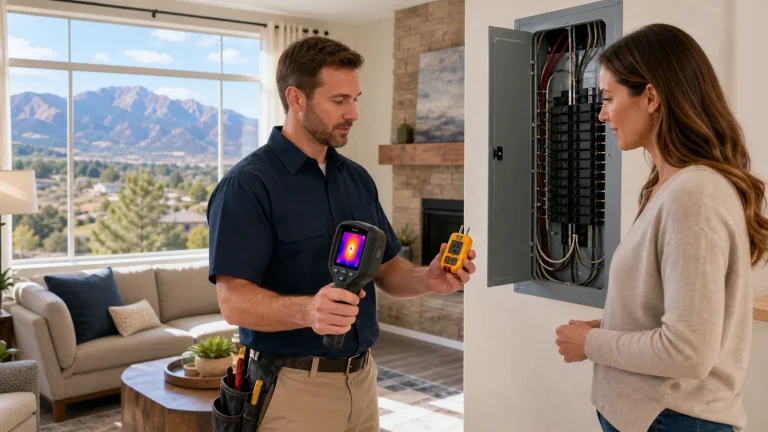
When we evaluate a Monument home for code-related updates, we normally look at things like:
- The main electrical panel and any subpanels
- Wiring methods, including any older cable types
- Grounding and bonding of the system
- GFCI and AFCI protection where it should be present
- Smoke and carbon monoxide detectors in the right locations
From there, we can explain where your home is in good shape and where it falls behind modern code and safety practice.
Common Electrical Code Upgrades in Monument Homes
Certain upgrade needs show up again and again in Monument, especially in older or heavily used homes. Some of the most common electrical code upgrades in Monument include:
- Repairing or replacing outdated or damaged breaker panels
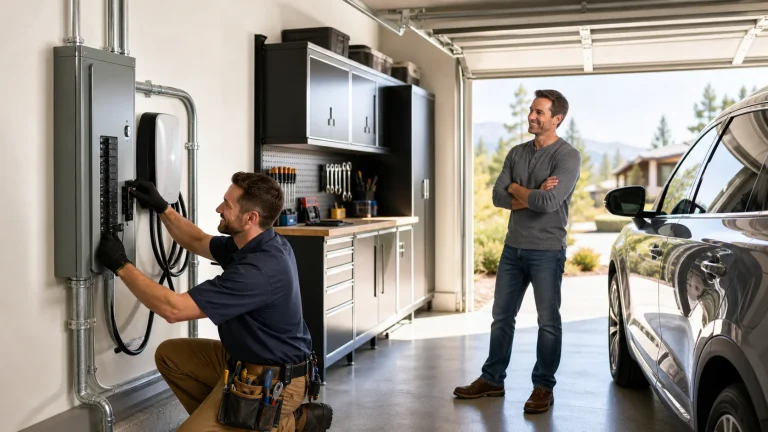
- Adding new circuits so kitchens, garages, and workshops are not overloaded
- Replacing older aluminum branch wiring where it was used
- Fixing DIY wiring that is unsafe or not permitted
- Improving grounding to help with surges and fault clearing
Protection devices are also a big part of code updates. Many houses were built before these were standard in as many areas as they are now. We often recommend:
- GFCI outlets in kitchens, bathrooms, garages, unfinished basements, and outdoor spots
- AFCI protection in living rooms, bedrooms, and other living spaces
- Tamper-resistant receptacles, especially in homes with kids or visiting grandchildren
- Correct outlet spacing and height so cords are not stretched across rooms
Monument’s housing stock and climate bring their own set of issues. We often see:
- Older homes with undersized panels for today’s heaters, AC units, and electronics
- Garages and workshops powered by long extension cords instead of proper circuits
- Extra load from space heaters and portable AC units on already stressed circuits
- Outdoor receptacles that are old, missing covers, or not rated for wet locations, even though they face snow, rain, and summer storms
Taking care of these upgrades reduces daily headaches and lowers fire and shock risk.
Seasonal Risks and Why Summer Is Ideal for Upgrades
Summer is a smart time to deal with electrical work in Monument. The weather is easier for outdoor repairs, and your heating system is not pulling as much power, so there is more flexibility to shut off circuits for short periods while work is done. It is also the perfect window before fall and winter bring higher and more constant loads.
Seasonal conditions in Monument can stress older or marginal systems. For example:
- Afternoon thunderstorms can send power surges through unprotected panels
- Longer days in garages, sheds, and on decks mean more use of tools and outdoor outlets
- AC units or evaporative coolers run often and can strain older wiring and breakers
We often suggest a pre-fall safety check that focuses on:
- The main panel and any subpanels
- Outdoor circuits, including decks, porches, and yard outlets
- Critical interior circuits like kitchens, laundry rooms, and family rooms
Catching weak spots early allows repairs and upgrades to be planned, not rushed, before the colder months and holiday guests add extra demand.
How Electrical Code Updates Affect Home Value and Insurance
Electrical code upgrades can pay off beyond safety and comfort. When your system is clearly updated and documented, it can help your home stand out in the Monument market. Buyers feel more confident when they see a newer panel, proper GFCI and AFCI protection, and modern devices. Inspections also tend to go more smoothly when obvious code issues have already been handled.
Insurance companies often care about the age and type of your electrical equipment. Some may ask questions about:
- The brand and age of the main panel
- Whether there is older wiring in the walls
- If GFCI and AFCI protection is present where modern codes expect it
Homes with outdated or damaged electrical systems can face limits, higher risk ratings, or extra conditions. On the other hand, keeping your system in good shape lowers the chance of:
- Electrical fires
- Constant nuisance tripping of breakers
- Damage to TVs, computers, and other electronics from surges
- Emergency repair calls during storms or cold snaps
Planned upgrades done on your schedule are usually less stressful than fixing problems after something fails.
What to Expect During a Code Upgrade Visit
Many homeowners feel nervous about what an electrical upgrade visit might involve. Our goal is to make the process clear and simple, not overwhelming. A typical visit starts with a quick walk-through where we talk about what you have noticed: breakers tripping, flickering lights, outlets that feel warm, or rooms that never seem to have enough power.
From there, we usually:
- Inspect the main panel for age, condition, and capacity
- Check a sample of outlets and switches in key rooms
- Look at garages, basements, and outdoor areas where DIY work is common
- Test or review smoke and carbon monoxide detectors
After the inspection, we explain what we found in plain language. We group recommended upgrades into three levels:
- Life-safety issues that should be addressed as soon as possible
- Capacity and convenience improvements that make daily life easier
- “Nice-to-have” modernizations you can plan for later
Disruption is usually less than people expect. Some work can be done in a few hours, while other projects may take a full day or more, especially if panel work is involved. Power is turned off only to the circuits being worked on, or the whole house during panel repairs, and we let you know the timing ahead of time. We also keep work areas neat and perform final testing so you know everything operates as it should before we leave.
Homes in Monument, with their mix of ages and styles, benefit a lot from thoughtful electrical code upgrades. Planning these changes with a professional helps keep your home safe, comfortable, and ready for whatever the seasons and your lifestyle bring.
Get Started With Your Project Today
If your home or business is due for safer, up-to-date electrical work, we’re ready to help you plan the right solution. At Pink Brick Electric, we carefully assess your existing system and recommend the electrical code upgrades in Monument that fit your needs and budget. Reach out today using our contact page form so we can schedule a convenient time to review your project and keep your property protected.