Keep Your Colorado Springs Outdoor Lights Working Safely
Outdoor lights tend to fail at the worst times. One evening you flip the switch, expect your front walk to glow, and instead the whole area stays dark. In a place like Colorado Springs, that is more than an annoyance. It can mean icy steps, harder to see wildlife in the yard, and entryways that do not feel as secure.
Good outdoor lighting helps you see where you are walking, makes visitors feel welcome, and can help discourage unwanted activity around your home. As days get shorter, you lean on those photocells, timers, and motion lights to simply work every night. When they do not, it is tempting to guess, push a few random buttons, and hope for the best.
We work with homeowners in Colorado communities around Colorado Springs and Monument, and we see the same outdoor problems again and again. In this guide, we will walk through basic checks for common outdoor lighting controls and GFCIs, how moisture can affect your system, and when it is safer to bring in a licensed residential electrician instead of trying more DIY fixes.
Quick Safety Checks Before You Touch Anything
Before you do any hands-on troubleshooting, think about safety first. Outdoor electrical parts deal with weather, water, and temperature swings, so damage is common and can be risky.
Here are a few ground rules:
- Never work on fixtures or outlets while they are powered; turn off the breaker first
- Stay away from anything electrical if you are standing on wet ground or in puddles
- If wiring, boxes, or fixtures look damaged or confusing, stop and get professional help
You can often find the breaker for outdoor lights in your main panel, sometimes labeled for exterior, porch, or garage. Outdoor circuits may also be protected by a GFCI outlet. These are the outlets with test and reset buttons, often in garages, basements, or near exterior doors. A tripped GFCI can shut off several outdoor lights and receptacles at once.
From the ground, you can safely do a quick visual check:
- Look for loose or sagging fixtures, cracked covers, or exposed wires
- Check if any lenses have fog, droplets, or dirt buildup inside
- Test regular switches and GFCI buttons to see what still works
- Note which fixtures are out together. That can help narrow the problem
Simple checks that are usually safe for homeowners include replacing bulbs with the power off, pressing reset on a GFCI outlet, and reprogramming a timer using its buttons or dial. If you see burn marks, melted plastic, hear buzzing, or feel even a small shock, stop right there. Those are strong signs that you need a licensed electrician to inspect the circuit.
Solving Common Control Issues Using Photocells and Sensors
Most outdoor lighting problems start with control devices, not the light itself. Photocells, timers, and motion sensors each have a job, and Colorado’s bright sun, dust, and fast temperature changes can be hard on all of them.
A quick overview:
- Photocells turn lights on when it gets dark and off when it gets bright
- Timers turn lights on and off at set times
- Motion sensors turn lights on when they sense movement
Photocell problems often show up as lights that stay on all day, never come on at night, or keep cycling on and off. Many times the small eye of the sensor is dirty or blocked. You can gently wipe the sensor with a soft cloth and make sure it is not shaded by eaves, decorations, or plants. Aim photocells away from your own porch lights and nearby streetlights so they are not confused by artificial light. If the photocell housing is cracked, yellowed, or brittle, it is usually time for a replacement, which is best handled by an electrician who can check the wiring and connections at the same time.
Timers can get out of sync as daylight changes and after power blinks. Common fixes include:
- Resetting the current time and on/off times to match your schedule
- Replacing small backup batteries in plug-in or mechanical timers
- Checking that the timer is actually receiving power from the circuit
Many newer outdoor lighting setups use smart or astronomical timers that track sunrise and sunset automatically. Those can be convenient, but they still need to be wired and set up correctly so they match your home’s circuits and outdoor loads.
Motion sensors give trouble when they stop turning on, stay on constantly, or activate for every small movement. You can often adjust:
- Detection range and angle, so they focus on walkways instead of streets
- Sensitivity, so pets and tree branches do not trigger them so easily
- Time delay, how long the light stays on after motion stops
Plastic on motion fixtures can get brittle in our strong high-altitude sun. When housings crack or mounting arms loosen, the sensor can move out of place or let in water. Any time a motion light needs rewiring or full replacement, it is a good time to involve a licensed electrician to keep everything code compliant and safe.
When GFCIs Trip and Moisture Gets Into Your Outdoor Lights
A GFCI, or ground-fault circuit interrupter, is a safety device that shuts power off if it senses current leaking to ground. This helps protect people from shock, especially in damp areas like garages and outdoor spaces. One tripped GFCI can control:
- Exterior outlets
- Porch or soffit lights
- Some garage or patio circuits
To reset a GFCI, press the reset button firmly. If it trips again right away, something downstream may be wet or damaged. If it only trips during or after wet weather, moisture is a likely cause.
Colorado’s sudden storms, snowmelt, and irrigation can push water into:
- Fixture housings and lenses
- Electrical boxes and covers
- Underground splices and extension cord connections
You can look for cracked or missing gaskets, loose in-use covers, and signs of water inside lenses. Make sure temporary cords are unplugged and stored dry. Allow any damp fixtures to dry completely before you try power again.
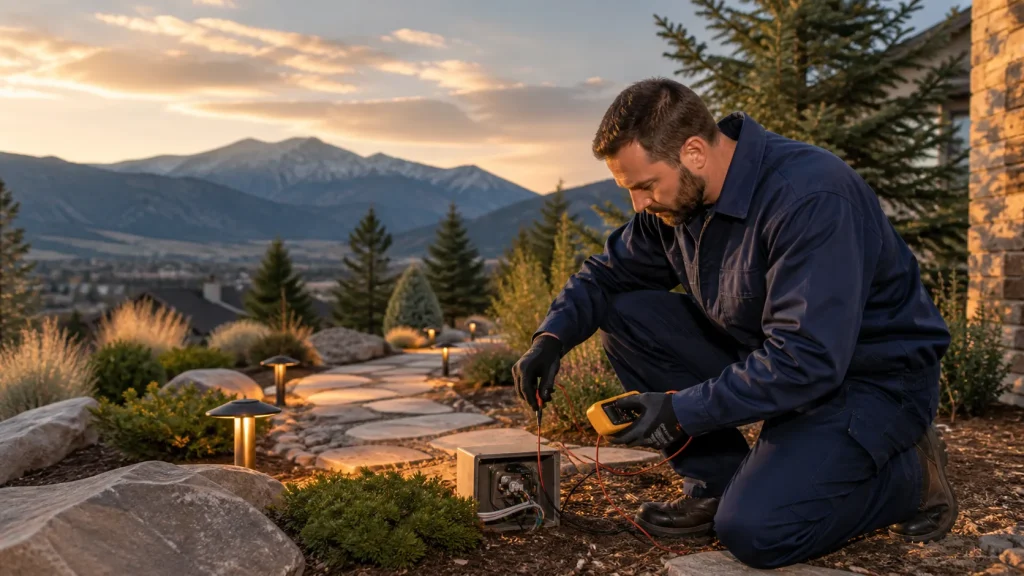
Red flags that call for an electrician include repeated GFCI trips, even after things are dry, visible rust or corrosion inside boxes, any burn marks or sizzling sounds, or outdoor wiring that looks stapled loosely, buried shallow, or exposed. A pro can trace how water is getting in and upgrade boxes, covers, and connections to outdoor-rated, code-compliant parts.
Repair or Replace: Choosing the Right Fix for Outdoor Lights
Not every outdoor lighting problem means you need all new fixtures. In many cases, small repairs keep things working safely.
Simple homeowner fixes often make sense when:
- You are swapping a bulb for the correct outdoor-rated LED
- A sensor lens is dusty but not cracked
- A timer clearly lost its settings and just needs reprogramming
- A rubber gasket or weather strip is clearly worn but easy to access
When fixtures are older, use non-LED bulbs, or have cracked housings, it can be smarter to replace instead of patching again and again. Older controls may not handle frequent temperature swings well and can fail more often over time.
Replacement is also a chance to think about better outdoor lighting installation in Colorado Springs that fits how you use your home. That might mean:
- Upgrading to LED fixtures that run cooler and need fewer bulb changes
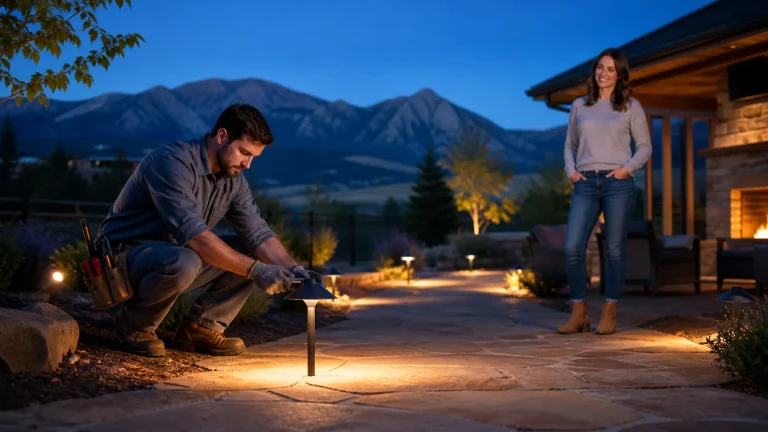
- Adding pathway and step lights before icy weather makes walking harder
- Creating zones for security, landscape, and accent lighting so each area works how you want
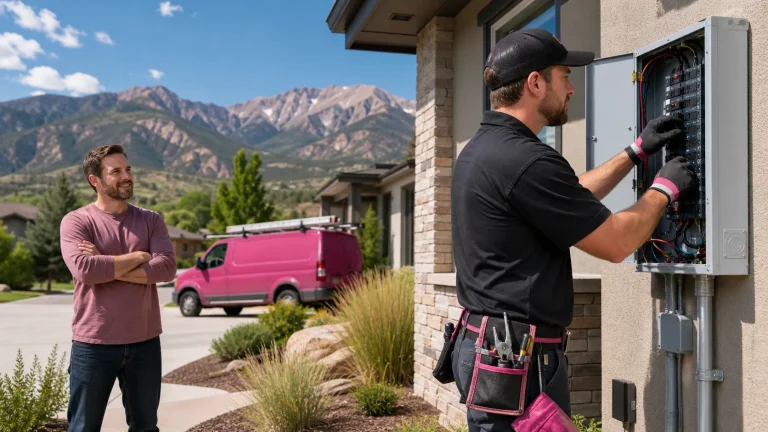
A licensed electrician can check that your outdoor circuits are grounded properly, use the right wire sizes, and have GFCI protection where required. Often, good existing wiring can stay in place while fixtures and controls are updated, which keeps the project focused and efficient.
Call in a Pro Before a Small Issue Becomes a Big One
There is a point where more guessing does not help and can put your home at risk. Signs that it is time to stop troubleshooting on your own include:
- GFCI outlets that keep tripping
- Parts of an outdoor circuit that are dead with no clear reason
- Any heat, burning smell, or discoloration around fixtures or boxes
- Bulbs that fail far more often than they should
- Outdoor wiring that looks DIY, taped, hanging, or damaged
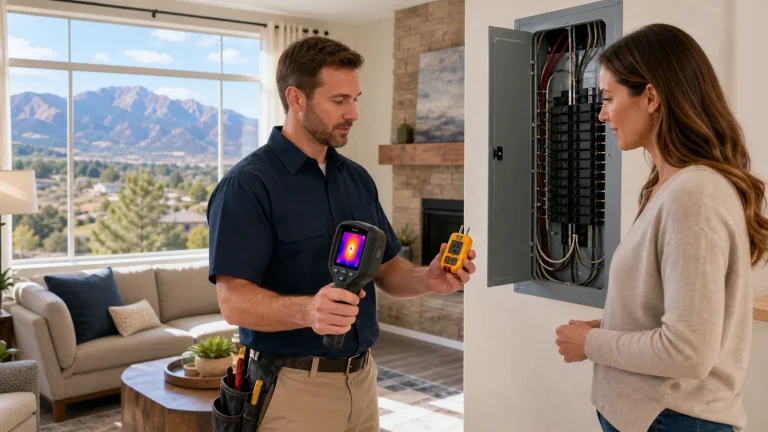
A professional inspection can quickly show whether the problem is a faulty bulb, a failed control, or a deeper wiring issue. It also helps make sure your outdoor lights meet current electrical code and local requirements in the Colorado Springs and Monument area. That means more reliable lighting, safer walkways, and exterior spaces that feel ready for darker evenings and changing weather.
Get Started With Your Project Today
If you are ready to transform your yard, patio, or walkways with safer, more inviting lighting, we are here to help. Our licensed electricians handle every step of your outdoor lighting installation in Colorado Springs so you can enjoy reliable, code-compliant results. Reach out to Pink Brick Electric with your ideas, and we will help you plan the right solution for your home. To schedule your consultation or ask a question, simply contact us.