Turn Your Monument Garage Into a Powerhouse
A lot of Monument garages are doing more than holding cars now. They are home to EV charging, weekend wood shops, home gyms, and that extra freezer full of food. All of that needs steady, safe power, and the original wiring in many homes was never meant to handle it.
When the electrical system is stretched, you feel it in tripping breakers, dim lights, and warm outlets. With a well-planned garage upgrade, your space can handle EV charging, tools, lighting, and cold storage without drama. That means more comfort, more convenience, and less worry, especially when you are busy with projects and road trips.
Monument has a mix of newer builds and older houses, along with cold winters, snow, and sunny, hot days. Garages see big temperature swings and lots of different uses through the year. A licensed local electrician who knows these homes and conditions can plan upgrades that fit how you really use your space.
Most garage upgrades fall into four main buckets: EV charging and other 240V outlets, dedicated shop circuits, better lighting, and safe circuits for freezers and extra fridges. When these are planned together, your garage starts working for you instead of against you.
Know When Your Garage Needs an Electrical Upgrade
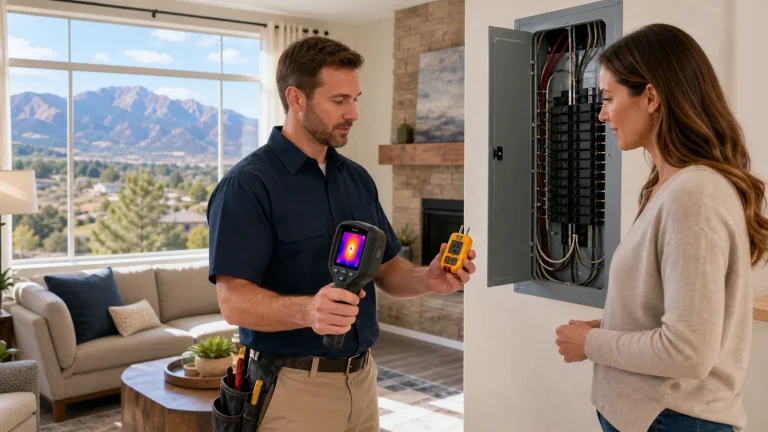
Your electrical panel is the starting point. If it is maxed out, adding more load is risky, no matter how many outlets you want.
Common signs your panel is at its limit include:
- Breakers that trip when you run tools, plug in a space heater, or start a freezer
- Breakers that feel warm or make a humming or buzzing sound
- No open breaker spaces left for new circuits
- A panel that looks old, rusty, or has mismatched breakers
Inside the garage, you might see other red flags:
- Only one or two outlets for the whole space
- Heavy use of power strips and extension cords
- Lights that flicker or dim when a tool starts
- Older two-prong outlets or outlets with no GFCI protection
Modern electrical code calls for GFCI protection in garages, and in many cases AFCI protection as well. Any plan for a new 220V outlet installation in Monument, especially for an EV charger, should include a professional load check and code review. This is not a good place to guess or try DIY work.
Early summer is a smart time to have things checked. That way you know your panel and circuits can handle an EV charger, extra freezer for bulk food, or new shop tools before you really start using them hard.
EV Charging and 220V Outlet Installation in Monument
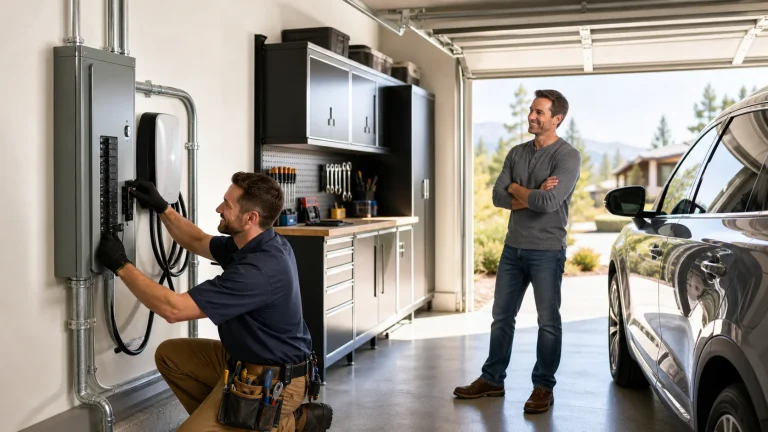
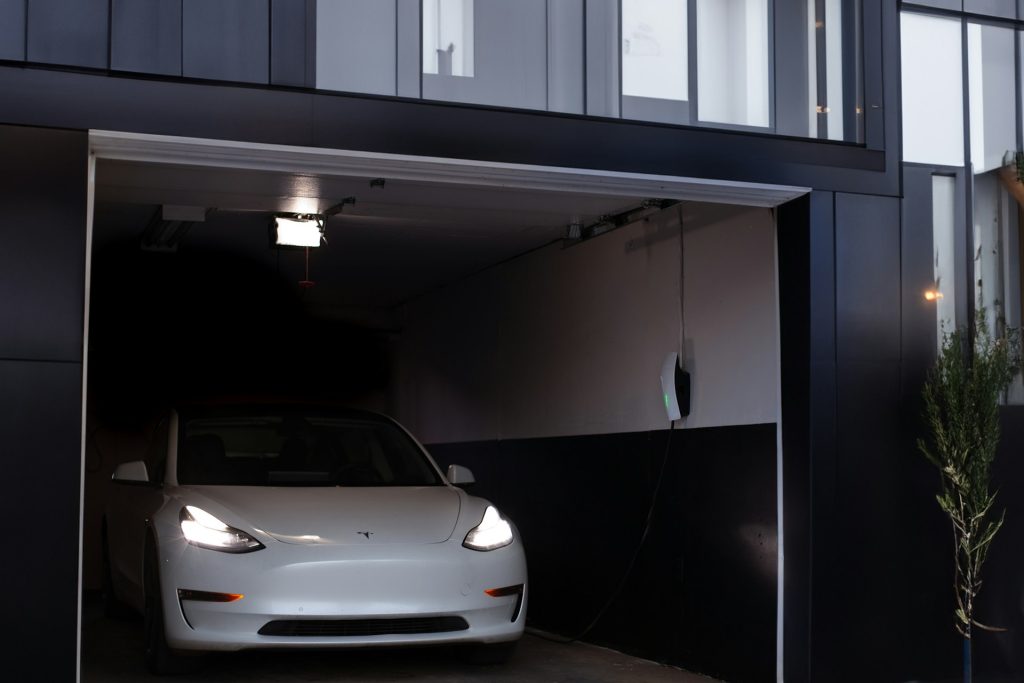
EV charging needs more than a regular outlet if you want dependable, overnight charging. Level 1 charging uses a standard 120V outlet and is slow. Level 2 charging uses a 240V circuit and is what most homeowners prefer for daily driving.
When planning for Level 2, the circuit should match your current EV and leave some room for a future vehicle. Many people choose:
- A NEMA 14-50 receptacle in the garage
- A hardwired EV charging unit on its own 240V circuit
- A dedicated 240V receptacle matched to the vehicle charger plug
Good 220V outlet installation in Monument garages starts with careful load calculations. An electrician should:
- Look at your existing panel size and brand
- Review all the major loads in your home
- Calculate how much capacity you have left
- Decide if you need a panel upgrade or a garage subpanel
Monument winters are cold, and cold weather affects EV range. Many homeowners like to keep the car inside, plugged into a dependable charger, so the battery is ready each morning. A well-designed garage circuit for charging helps keep that routine smooth, even when temperatures swing.
Powering Garage Shops, Tools, and Hobby Spaces
If your garage is also your workshop, tools can easily push a basic circuit to its limit. Large tools often need their own dedicated circuits for safe, steady power.
Tools that may need dedicated 120V or 240V circuits include:
- Table saws and miter saws
- Air compressors and welders
- Dust collectors and shop vacs
- Large air filtration units or heaters
Good outlet planning matters just as much. Instead of one overloaded corner, it helps to:
- Place outlets along walls and workbenches at handy heights
- Add ceiling outlets for retractable cord reels or overhead tools
- Keep lighting circuits separate from tool circuits so a tripped breaker does not leave you in the dark
Lighting upgrades can turn a dim garage into a space you actually want to use. Bright LED shop lights, task lights over benches, and motion sensors at entry points can make every project day easier and safer.
If you want room to grow, a small subpanel in the garage can make future changes simpler. When an owner-operated electrician plans the shop with you, you can talk about current tools and also what you might add later, then size circuits and layout with that in mind.
Keeping Freezers and Extra Fridges Running Safely
Many Monument garages hold an extra fridge or chest freezer for bulk meat, garden produce, or drinks. These appliances run for long hours and can be sensitive to bad power or sudden trips.
Freezers and second fridges usually do best on their own dedicated circuits. This helps prevent:
- Nuisance trips when another device on the same circuit starts
- Food loss from a breaker tripping while no one is around
- Overheated cords or outlets from long, heavy loads
Garage conditions in Monument can be rough on appliances. Uninsulated spaces, cold snaps, and hot afternoons all affect how hard a compressor has to work. Stable voltage and a properly sized circuit help that equipment last and run more reliably.
Newer code rules often require GFCI protection in garages. That can raise questions about how to protect people from shock while avoiding unwanted trips on freezer circuits. A professional can design the layout so outlets are located and wired in a way that meets current safety rules while still keeping key appliances as reliable as possible.
Whole-home surge protection and clear labeling inside the panel can also help. When circuits for freezers and fridges are clearly marked, everyone in the home knows which breakers matter for food storage and should not be switched off.
How Pink Brick Electric Upgrades Monument Garages
A good garage electrical upgrade starts with listening. The first step is a walkthrough of your space, along with a talk about how you use it now and what you want to add, like EV charging, woodworking tools, fitness gear, or extra cold storage.
From there, a careful electrician will:
- Inspect the main panel and any subpanels
- Check grounding and bonding where needed
- Perform load calculations based on your home and garage plans
- Map out circuits for EV charging, tools, lighting, and appliances
Local knowledge matters. Homes in Monument, Colorado Springs, and Castle Rock can have different panel types, garage layouts, and insulation levels. Local permitting rules and current code requirements for garage wiring and EV charging also need to be followed closely.
Common services in these projects include 220V outlet installation in Monument garages, panel upgrades or new subpanels, EV charger wiring, new general-use circuits, better lighting layouts, and dedicated lines for tools and freezers. Because Pink Brick Electric is licensed, insured, and owner-operated, the same person handling your questions is the person planning and doing the on-site work, which keeps the project clear and personal from start to finish.
Get Started With Your Project Today
If you are ready to power new equipment or upgrade your garage or workshop, our licensed electricians can help you plan a safe, code-compliant 220V outlet installation in Monument. At Pink Brick Electric, we take the time to understand how you use your space so we can recommend the right circuits and outlet locations. Reach out to contact us and we will schedule a convenient visit, provide clear pricing, and get your project moving.