Adding space to your home is exciting. A new sunroom, finished basement, or garage conversion can give your family room to spread out. But many homeowners in Monument find out later that the wiring behind the walls did not keep up with the new space.
Homes with additions often have a mix of original wiring and newer work. Some was done when the house was first built, some when a basement was finished, and some when a deck or workshop was added. In this article, we will talk through what that mix can mean for safety, power capacity, and future projects. When electrical wiring in Monument, CO, is planned and installed the right way, you get a safer home, fewer surprise outages, smoother inspections, and better resale value down the road.
A common story goes like this. A family decides to finish the basement or add a bright sunroom. The framing looks good, the paint is fresh, and everything feels new. Then a breaker keeps tripping, or an inspector opens a panel and finds old splices or overloaded circuits tied into the new space. The project stalls until the wiring can be corrected.
What Hidden Wiring Means for Your Monument Home
When you look at a finished room, you only see the devices, not the wiring. Behind that drywall, there might be:
- Original wiring from when the home was first built
- Newer wiring added during a remodel or addition
- DIY changes someone made along the way
In Monument, many homes have had at least one add-on: a finished basement, a bonus room above the garage, or a larger deck with lighting. Each time work was done, different choices may have been made about materials and methods. That mix is why one bedroom might be on modern grounded circuits while the basement is still tied into older wiring.
Understanding what is hidden in the walls helps you:
- Plan new projects without overloading old circuits
- Catch safety hazards before they cause damage
- Avoid surprise repairs during inspection or resale
How Add-Ons Change Your Home’s Electrical Needs
Every new space wants power. Common Monument home projects that add demand include:
- Basement finishes with bedrooms, family rooms, and media areas
- Upstairs expansions over garages or existing living areas
- Accessory dwelling units or small in-law suites
- Larger decks with lighting, outlets, and maybe a hot tub
- Detached workshops or hobby sheds with power tools
Each new area often brings more than just a couple of lights. You might add:
- Extra lighting circuits and more outlets around the room
- HVAC equipment like mini-splits or electric baseboard heaters
- A hot tub or spa on the deck or patio
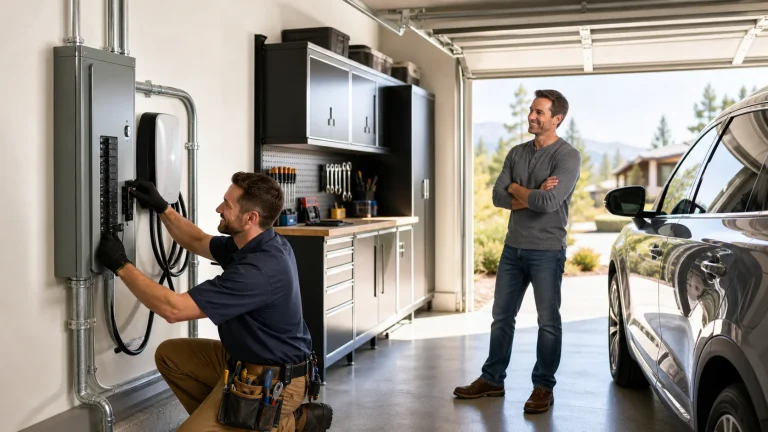
- An EV charger in the garage
- Power tools in a workshop or hobby space
Older panels and original wiring were not always sized for these loads. Many Monument homes were built when people had fewer electronics, smaller AC systems, and no EV chargers. When you keep stacking new demands on top of old circuits, the system can get stretched.
Monument’s climate adds more stress. Hot, dry summers mean more AC and fans running. Cold winters often bring space heaters in basements or bonus rooms that never feel quite warm enough. All of that pulls extra current through the same panel and wiring, which can lead to nuisance tripping, flickering lights, or wires that run hotter than they should.
Inside the Walls: What Pros Look for in Existing Wiring
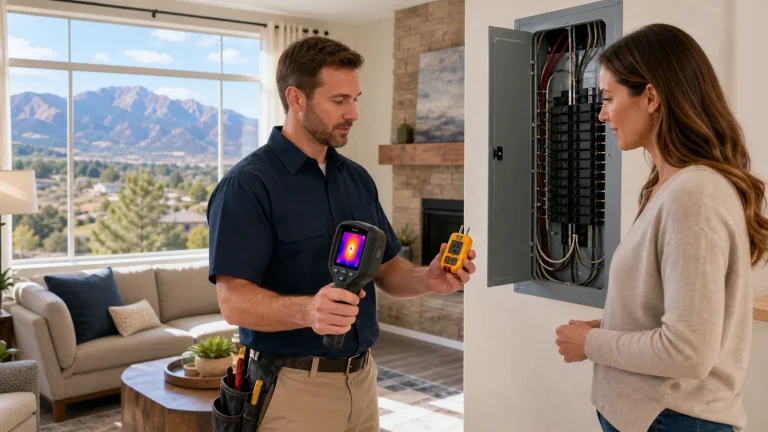
Before we add circuits for a new space, we look closely at what is already there. A licensed electrician will typically check:
- Wire type and age, including whether it is grounded
- Condition of insulation on the conductors
- Grounding and bonding for the whole system
- How splices are made and whether they are in proper boxes
- Breaker sizes compared to the wire sizes they serve
Behind finished walls, we often find warning signs like:
- Open junction boxes covered by insulation or drywall
- Mixed aluminum and copper wiring without proper connectors
- Double-tapped breakers, where two wires share a breaker not rated for it
- DIY wiring run without staples, protection, or proper supports
In some homes, there are still hidden junction boxes from long-ago changes, or old two-wire circuits with no ground. These can affect safety and may raise questions with insurance companies, especially when you want to add new circuits.
A careful evaluation before or early in a project can save time and money. It lowers the chance that an inspector will flag problems after walls are closed, which can lead to tear-outs, delays, and extra labor that could have been avoided if issues were found sooner.
Panel Upgrades and Smart Circuit Planning
Your electrical panel is the heart of the system. It feeds every room and every add-on. A panel upgrade might be needed if you see:
- Frequent breaker trips when using normal appliances
- No open breaker spaces for new circuits
- Signs of rust, heat damage, or outdated equipment
- Plans to add large loads like a hot tub, EV charger, or big workshop tools
Before adding new circuits, a pro will calculate the total load for both existing and planned spaces. This helps answer key questions: Can the main service and panel safely carry the new demand? Do we need a larger panel, a subpanel, or both?
Good circuit planning also includes:
- Dedicated circuits for high-demand appliances and equipment
- Separating lighting from receptacles so one issue does not darken a whole room
- Grouping circuits by area so future troubleshooting is easier
- Planning a few extra spaces for future needs like a home office or hobby shop
In Monument, electrical projects usually require permits and inspections. A correctly sized panel and clearly laid out circuits are important for passing those inspections and for long-term reliability.
Seasonal Safety Checks for Electrical Wiring in Monument, CO
Summer is a popular time for projects. Deck lighting, backyard outlets, AC and fan circuits, garage shop upgrades, and RV hookups all depend on solid wiring. Before loading up your system, it helps to know that existing circuits and devices are in good shape.
Seasonal electrical checkups can include:
- Testing GFCI outlets in kitchens, baths, garages, and outdoor areas
- Looking over outdoor boxes, covers, and connections for weather damage
- Checking that extension cords are not acting as permanent wiring
- Testing smoke and CO detectors throughout the home
Monument’s dry air and quick temperature changes can be hard on outdoor boxes, seals, and older wire insulation. Connections can loosen, plastic can crack, and moisture can find its way in during storms. A pre-season inspection can catch these issues before they show up as tripped breakers or failed devices.
As you head toward cooler months, it also helps to confirm that circuits can handle holiday lighting, space heaters, and extra use of outlets in finished basements or bonus rooms, especially if those spaces were added after the original build.
When to Call a Professional Electrician for Add-Ons
With mixed old and new wiring, it can be hard to tell what is safe just by looking at a finished wall. Some clear signs that it is time to bring in a licensed electrician are:
- Breakers that trip often, especially when using outlets in add-on areas
- Lights that flicker or dim when equipment starts up
- Warm or discolored outlets or switches
- Buzzing or crackling sounds from the panel or any device
- Any visible DIY wiring, loose cables, or open boxes
A professional electrician can help with troubleshooting issues between original and newer wiring, planning panel upgrades, safely adding circuits, and coordinating electrical work for permitted remodels in the Monument and greater Colorado Springs area. By understanding what is inside your walls and planning ahead, you protect both your family and your investment in every new project your home takes on.
Get Started With Your Project Today
If you are planning upgrades or new construction, we can help you design and install safe, code-compliant electrical wiring in Monument, CO tailored to your home or business. At Pink Brick Electric, we take the time to understand your needs so your system is reliable today and ready for future expansion. Reach out to our team with your questions or project ideas, or schedule a visit through our contact page. We will walk you through your options and provide clear recommendations so you can move forward with confidence.