Buying a home in Castle Rock moves fast. Houses can get multiple offers in days, and it is easy to focus on the view, the kitchen, and the schools while electrical safety sits in the background. But problems hiding in the walls can be some of the most expensive and dangerous surprises a new homeowner can face.
We want to help you avoid that. In this article, we will talk about why an electrical safety inspection in Castle Rock is worth asking for, what it covers that a standard home inspection does not, and how it can protect your investment before you sign on the dotted line.
Protect Your Castle Rock Investment Before You Close
When homes are selling quickly, buyers feel pressure to waive checks or rush through the inspection window. That pressure can hide real risks. Electrical systems age, get altered over time, and do not always keep up with today’s power use.
Hidden electrical issues can lead to:
- Fire hazards inside walls
- Frequent breaker trips and shutdowns
- Damage to electronics and appliances
- Surprise repair projects right after move-in
A dedicated electrical safety inspection in Castle Rock, done by a licensed residential electrician, goes deeper than the basic look your general inspector provides. It gives you clear information about what you are buying, so you can:
- Negotiate repairs or credits before closing
- Decide if you are comfortable moving forward
- Plan upgrades in a calm way instead of dealing with emergencies
That extra layer of information can give you real peace of mind in a fast market.
Why a General Home Inspection Is Not Enough
A standard home inspection is helpful, but it has limits. Most general inspectors are trained to look at the whole house, not to take apart and analyze one system in detail.
Typical home inspections focus on things like:
- Visual checks of the electrical panel and wiring they can see
- Plug-in testing of a sample of outlets
- Noting obvious issues like missing covers or broken fixtures
What they usually do not do is a deep electrical review. That can leave big problems hidden, such as:
- Overloaded or crowded breaker panels
- Older aluminum branch wiring that needs special care
- Backstabbed outlet connections that can loosen and overheat
- Outdated or missing grounding on circuits and equipment
The results of these problems can show up later as flickering lights, burnt-out breakers, damaged electronics, or even fire risk. Code issues can also slow down future remodels, because you may need to correct old wiring before adding new work.
Key Electrical Red Flags in Castle Rock Homes
Castle Rock has a mix of older homes, newer builds, and houses that have been remodeled more than once. That mix can hide some common electrical red flags.
Things we often see include:
- Older panels that are undersized for modern living
- DIY wiring in basements, garages, or bonus rooms
- Multiple remodels layered together without a clear plan
Panel capacity is a big one. Many homeowners now add:
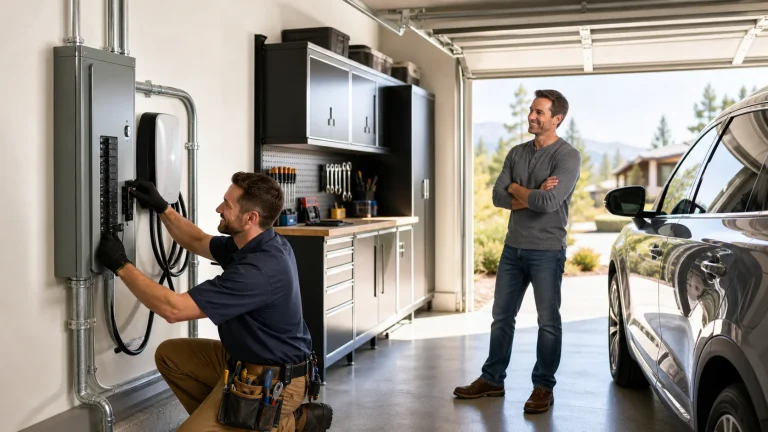
- EV chargers or plan to in the near future
- Hot tubs or spas
- Home offices with computers and equipment
- Central AC or mini-split systems
If the panel is already near its limit, adding any of this can overload circuits. Circuits should also be correctly sized, labeled, and protected for their loads.
During showings, you can watch for warning signs like:
- Warm or discolored outlets and switches
- Lights that dim or flicker when large appliances start
- Extension cords doing the job of permanent wiring
- No GFCI protection in kitchens, baths, garages, or outside
- Lack of AFCI protection in living and sleeping areas in newer homes
These clues do not replace a professional inspection, but they are good signals that you should ask more questions.
What a Professional Electrical Safety Inspection Includes
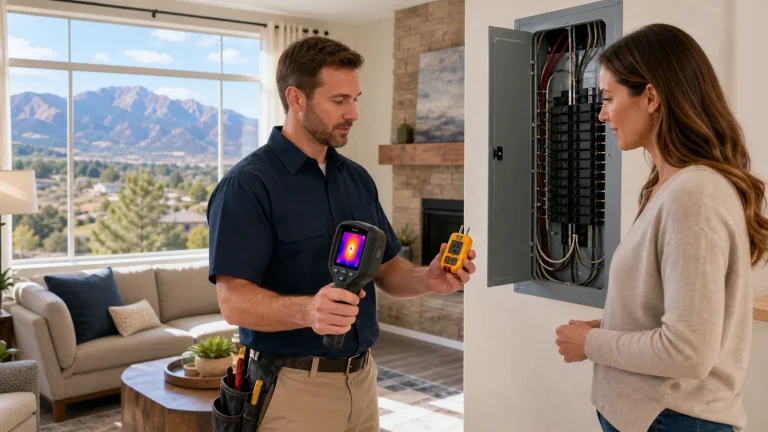
When a licensed residential electrician performs an electrical safety inspection in Castle Rock, the focus is on safety, function, and future use, not just passing a checklist.
A thorough inspection commonly covers:
- Service entrance and main disconnect
- Main panel and any subpanels
- Grounding and bonding of the system
- Circuits feeding kitchens, bathrooms, laundry, garages, and exteriors
During the visit, we check for:
- Loose, corroded, or overheated connections
- Double-lugged breakers and overcrowded panels
- Proper breaker sizes for the wire they protect
- Correct GFCI and AFCI protection where required
We also pay attention to safety devices like smoke and carbon monoxide detectors, along with their power sources and locations.
At the end, you should receive a clear written report that:
- Lists safety hazards in order of urgency
- Explains recommended repairs in plain language
- Points out suggested upgrades for future plans
That way you can make choices based on facts, not guesswork.
Using Inspection Results to Negotiate Smartly
The inspection report becomes a powerful tool during your due diligence period. Instead of arguing over unknowns, you can point to specific items.
You might:
- Ask the seller to correct serious safety issues before closing
- Request credits so you can have the work done after move-in
- Adjust your offer based on the scope of needed repairs
It helps to sort findings into two groups:
- Immediate safety hazards, like undersized wiring on large breakers, missing panel covers, damaged outlets, or obvious overheating
- Future upgrades, like EV-ready circuits, extra circuits for a workshop, better lighting, or smart home wiring
When you understand which items can wait and which should not, you can plan your budget and your offer with more confidence. Many buyers prefer to have their own trusted electrician complete complex corrections after closing, so the work matches their future plans.
Seasonal Electrical Concerns for Spring Homebuyers
Spring in Castle Rock is a busy time for home shopping, with more listings and more showings. It can also bring some specific electrical concerns.
Moisture becomes a bigger factor as snow melts and spring storms roll through. An electrical safety inspection in Castle Rock can look closely at:
- Wiring and outlets in basements and crawlspaces
- Outdoor receptacles, lighting, and junction boxes
- Sump pumps or other water-control equipment that rely on power
Spring is also when many homeowners start thinking about summer loads like AC units, backyard kitchens, and outdoor lighting. Knowing if your new home’s system can handle those plans before you buy helps avoid frustration later.
Because deals can move quickly, it is smart to get the electrical inspection scheduled early in your inspection window. That gives time for follow-up questions and, if you want, quotes for repairs or upgrades.
Next Steps to Safeguard Your New Castle Rock Home
As you tour homes, consider adding a licensed electrician’s inspection to your standard checklist. Do this either before you go under contract, if the seller allows, or during your inspection contingency.
Simple steps that help:
- Ask your agent to include access for an electrician in your offer terms
- Keep a running list of things that concern you during showings
- Write down plans you have, like EV charging, a workshop, or a finished basement, so the electrician can comment on them
At Pink Brick Electric, we focus on residential electrical work for homeowners in Castle Rock and nearby communities. Our goal is to help you understand the house you are buying so you can make safe choices, plan smart upgrades, and feel confident when you finally get the keys.
Protect Your Home With a Proactive Electrical Safety Check
If you are concerned about hidden electrical issues or your home’s older wiring, we can help you address them before they become costly hazards. Schedule an electrical safety inspection in Castle Rock so our licensed electricians at Pink Brick Electric can identify risks and recommend practical solutions.
We will walk you through our findings in plain language and prioritize any repairs based on safety and budget. To book an appointment or ask questions about your specific situation, simply contact us.