Know Exactly When Your Home Needs an Electrical Check
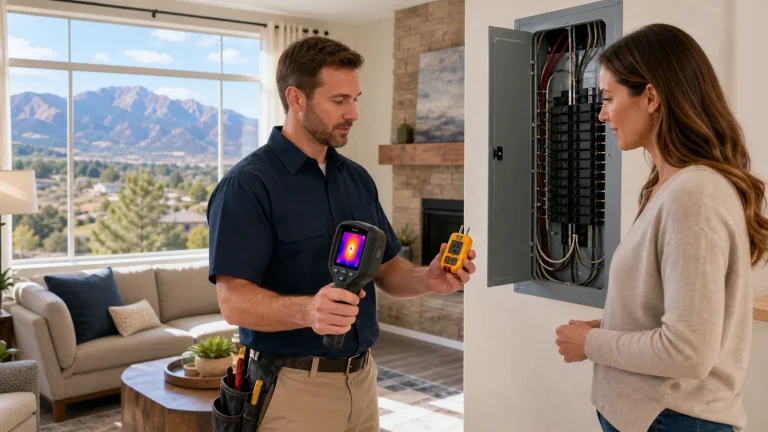
A home electrical inspection in Colorado Springs is a full check of your wiring, panel, breakers, outlets, and switches by a licensed electrician. We look for safety hazards, code problems, and signs of wear before they turn into shocks, fires, or expensive damage. A good inspection helps protect your family, your home value, and even your standing with your insurance company if something goes wrong later.
For many homeowners, the hardest part is timing. When do you actually need an inspection, and when can you wait? We like to keep it simple and focus on four clear trigger moments: after severe storms, before you sell, after a remodel, and before you add big electrical loads like an EV charger or hot tub. In the Front Range, with older homes, fast-growing neighborhoods from Monument to Castle Rock, and wild weather that can hit hard in the fall, timing really matters. Our goal here is to give you a clear guide so you can avoid surprise failures, failed inspections, or risky DIY fixes, and know when it is time to call a licensed, insured residential electrician.
After Hail, Lightning, or High Winds Hit Your Neighborhood
Front Range storms can be rough on a home’s electrical system. Hail, lightning, and high winds can damage overhead service lines, outdoor panels, and exterior outlets. The damage is not always obvious from the ground. Sometimes things look fine, but inside a breaker or connection something is loose, burnt, or water damaged.
Storms can be especially hard on:
- Service drops and weather heads
- Outdoor panels and meter bases
- GFCI outlets on decks, patios, and garages
- Whole-home or point-of-use surge protection
Warning signs after a storm that mean you should schedule a home electrical inspection in Colorado Springs include:
- Breakers that trip and will not reset, or keep tripping
- Lights that flicker, dim, or get brighter on their own
- Buzzing, humming, or crackling at outlets or the panel
- Burning or plastic smells, even if they come and go
- Some outlets on a circuit work and others do not
If you see clear damage, smell burning, or have repeated breaker trips, it is smart to get an inspection right away. For minor concerns, or if your neighborhood took a big hit from hail or lightning, an inspection within the next few weeks can give you peace of mind and helpful documentation if you need to file an insurance claim. An owner-operated electrician can carefully document storm-related problems, point out any code issues, and suggest upgrades like better surge protection or panel work to help prevent future damage.
Before You List Your Colorado Springs Home for Sale
When you get ready to sell, the last thing you want is a deal falling apart over electrical issues. A pre-listing electrical inspection can uncover problems early, so you have time to fix them on your terms instead of under pressure from a buyer’s inspector.
Common issues that raise red flags for buyers include:
- Outdated or damaged electrical panels
- Aluminum branch wiring that has not been properly addressed
- Missing GFCI or AFCI protection where current code expects it
- Ungrounded three-prong outlets
- Old DIY work in basements, garages, or additions
- Circuits that are clearly overloaded with too many things on one breaker
Timing is key. It is usually best to plan an inspection about 30 to 60 days before listing the house. That gives you a window to handle repairs, pull any needed permits, and gather receipts and notes you can show to buyers later. When you can show that a licensed electrician has inspected the system and made code-compliant repairs, it can calm buyer concerns and help the appraisal and closing go more smoothly.
After Remodeling Kitchens, Basements, or Additions
Any time you remodel a space that touches electrical, you should think about a follow-up inspection. Kitchens, bathrooms, basements, and room additions often mean new circuits, new lighting, moved outlets, and more built-in appliances. Even if permits were pulled, parts of the job may have involved multiple trades, and some work may have changed a bit as the project went on.
Risks that often show up after remodels include:
- Hidden or covered junction boxes that are no longer accessible
- Loose connections inside boxes or at devices
- Circuits that are too long or overloaded for the new layout
- Not enough dedicated circuits for kitchen appliances
- Poorly planned basement circuits that cause nuisance tripping
The best timing usually looks like this:
- During the project: rough-in and final inspections as required by permits
- After move-in: a full check a few weeks to a couple of months after you start using the space every day
That extra visit after you have lived in the space a bit helps catch real-world issues, like a kitchen circuit that trips every time you run the toaster and coffee maker, or a basement layout that makes it hard to reset breakers. An owner-operated electrician is often the one who will notice small things that might not fail an initial inspection but will annoy you or create risk over time.
Before Adding an EV Charger or Backyard Hot Tub
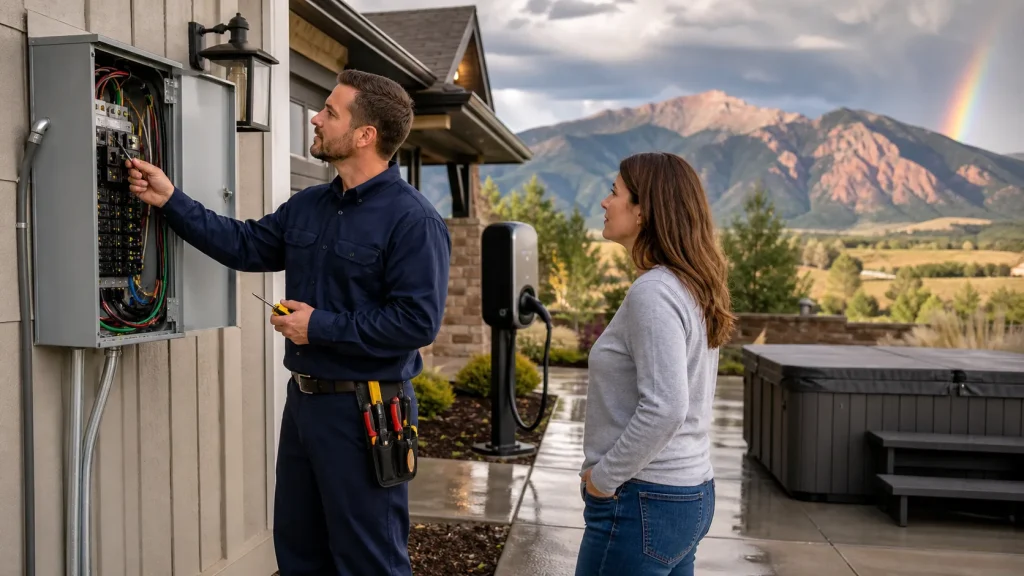
Big new loads like EV chargers, hot tubs, spas, or infrared saunas can put serious strain on a home’s electrical service. These usually require dedicated circuits, sometimes thicker wiring, special protection, and in some cases a panel or service upgrade. Installing them without checking capacity first can cause overheating, constant tripping, or hidden damage.
Before installing this kind of equipment, an electrical inspection should include:
- A full panel evaluation and load calculation
- A check of existing wire condition and connection quality
- Verification of grounding and bonding for the whole system
- A close look at outdoor locations for moisture, ice, and physical damage risks
For the Colorado freeze-thaw cycles, we also pay attention to how outdoor equipment is mounted, sealed, and supported so that snow, sun, and temperature swings do not damage conduit, boxes, or fittings over time.
Good timing is to get the inspection and load calculation done first, then plan the EV charger or hot tub install around permit and upgrade timelines. If you want everything ready before colder weather sets in, it helps to start the inspection step early. Safety basics like GFCI protection near water, the right outdoor ratings on equipment, and clear labeling inside your panel also make life easier for any future electrician or home inspector who works on your home.
Take the Next Safe Step for Your Colorado Springs Home
If you remember nothing else, remember these four moments as your main triggers for a home electrical inspection in Colorado Springs:
- After major hail, lightning, or wind storms
- Before you list your home for sale
- After remodeling or finishing new living space
- Before adding large loads like EV chargers or hot tubs
Beyond those triggers, many homeowners find it helpful to build a simple maintenance plan. A periodic electrical check every few years, even when nothing big has changed, can catch aging parts, small code gaps, and early signs of wear before they become bigger problems.
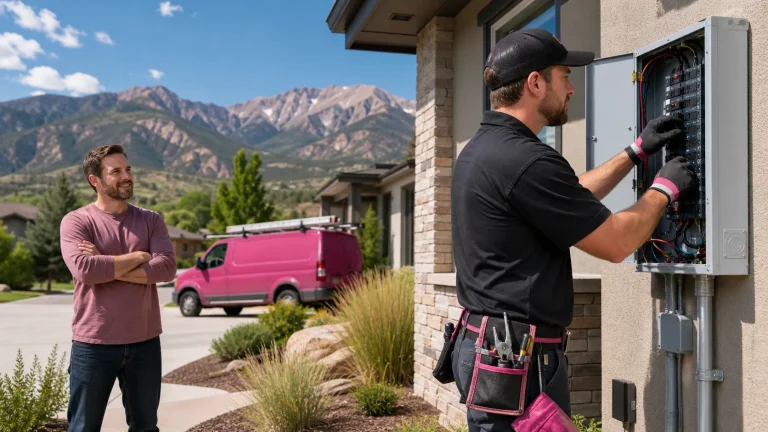
At Pink Brick Electric, we are a licensed, insured, owner-operated residential electrician serving Colorado Springs, Monument, Castle Rock, and nearby communities. When you are preparing for an inspection, it helps to have a few details handy, like the age of your home, any recent remodels, known electrical issues you have noticed, and plans for future upgrades. With that information, we can put together a clear inspection plan focused on safety, code compliance, and practical recommendations that actually fit the way you live in your home.
Get Started With Your Project Today
If you are ready to make sure your home is safe and up to code, we can help with a thorough home electrical inspection in Colorado Springs. At Pink Brick Electric, we walk you through what we find so you understand every recommendation before any work begins. Reach out today through our contact page to schedule your appointment and take the next step toward a safer, more reliable electrical system.