Plan Safe, Code-Compliant Wiring Before You Demo
Planning electrical wiring services early in a remodel is just as important as choosing cabinets or flooring. When you think through your wiring before demolition, you help avoid surprises, extra visits, and holes that have to be opened twice. A clear plan also helps every trade work in the right order so your project feels organized instead of chaotic.
In our mountain and Front Range communities, there are extra things to think about. Homes in Woodland Park, Colorado Springs, Castle Rock, Franktown, Elizabeth, and Larkspur see cold winters, big temperature swings, and older electrical systems. Some houses were wired long before modern codes and today’s power needs, so safety and code compliance matter a lot.
In this checklist, we will walk through how to define your electrical scope, what affects pricing, how timelines usually work, and what to look for when you choose a residential electrician for your remodel.
Define Your Electrical Scope Room by Room
The first step is a simple one: walk your home, room by room, and make a list. Decide what stays, what moves, and what you want to add.
For existing versus new circuits, think through:
- Which outlets and lights you will keep in place
- Which ones you want to move for new layouts
- New appliances, tools, or features you plan to add
New circuits are often needed when you add or upgrade things like:
- Kitchen appliance layouts and countertop circuits
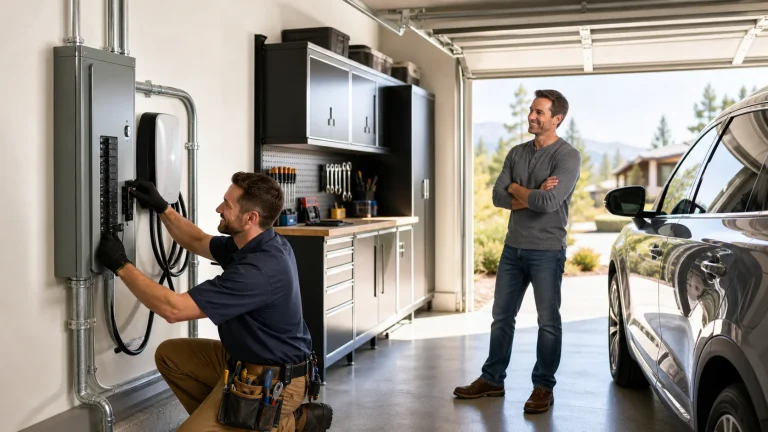
- EV chargers in the garage
- Hot tubs or spas on a deck or patio
- Home office gear, workout rooms, or finished basements
Sometimes wiring can be extended from an existing circuit, but many upgrades need their own dedicated lines. A clear list room by room helps your electrician see the full picture and write a more accurate proposal, which helps avoid mid-project scope changes.
Next, think about lighting and switching. Many remodels include:
- Recessed LED lighting for general light
- Under-cabinet lighting for kitchen task areas
- Accent lights over islands, fireplaces, or art
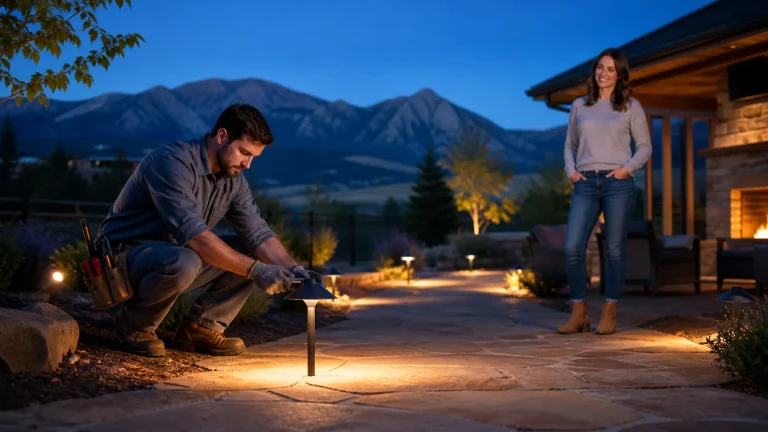
- Exterior lighting for steps, decks, and driveways
Switch placement matters a lot in day-to-day life. Hallways and stairs usually benefit from three-way switches so you can control lights from both ends. Dimmers are great for comfort and can help save energy. In the Pikes Peak area, long dark winter evenings and bright high-altitude sun mean it is smart to plan for flexible lighting levels.
Do not forget low-voltage and smart home needs while you plan. With walls open, it is the right time to add:
- Data runs for home offices and media rooms
- Wiring for Wi-Fi access points to improve coverage
- Cables for cameras, security, and doorbells
- Smart switches, dimmers, or control panels
Bundling low-voltage and electrical wiring services in one remodel helps keep costs and interruptions lower than adding pieces later.
Key Pricing Factors for Electrical Wiring Services
Every home and project is different, but there are common factors that affect how your wiring work is scoped and priced.
Home age and existing conditions are big ones. Many older homes around Colorado Springs, Woodland Park, and nearby towns may have:
- Panels that are too small for modern loads
- Older wiring methods that no longer meet current code
- Past work that was not done by a licensed electrician
These issues often have to be corrected during a remodel for safety and compliance. Access also matters. Open studs, open ceilings, and clear crawlspaces make work more efficient. Finished ceilings, tight attics, and tricky framing can take more time.
Scope, materials, and panel capacity are also key. Your electrician will look at:
- How many new circuits are needed
- How many lighting fixtures, switches, and specialty outlets you want
- Whether large items need dedicated lines
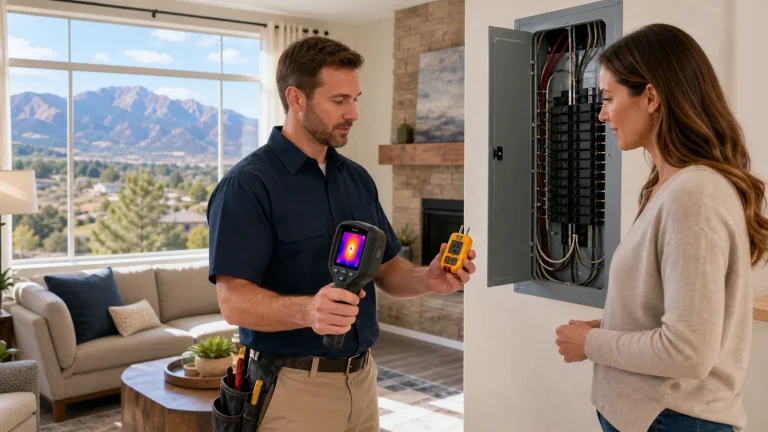
Material choices come into play, such as standard or premium devices and fixtures, LED options, and protection devices like GFCI and AFCI where required by current code. Panel capacity must be checked to see if you have room in the existing panel or if you may need a panel upgrade or subpanel to support new loads like EV chargers, hot tubs, or a finished basement.
Permits and inspections are part of almost every remodel that involves wiring. Local building departments require a licensed, insured electrician to pull the permit. Inspections help confirm that work meets current electrical code. If an inspection fails, some rework may be needed, which can affect both timing and cost. Seasonal timing plays a role too, since spring and early summer are often busy for remodels and panel work, so early planning helps avoid delays.
Remodel Timeline: From Demo to Final Lights on
A typical electrical remodel flows through several stages. Good planning with your electrician and other trades helps each step go more smoothly.
Pre-construction planning usually includes:
- An in-home walk-through
- A written proposal that outlines the scope
- Permit application with the local jurisdiction
- Scheduling with your contractor and other trades
During the rough-in phase, cables are run, boxes are set for outlets and switches, and panel work starts. This all happens before insulation and drywall. A small kitchen or bath remodel may only need a short rough-in window, while a whole-home or basement project will take longer, especially if there are many circuits and lighting zones.
After rough-in, an inspection is required before the walls are closed. Inspectors look at wire routing, box fills, support, grounding, and panel connections. Once rough-in passes and drywall, texture, and paint are complete, the trim-out phase begins. That is when devices, fixtures, cover plates, and final breakers are installed and labeled.
Delays from other trades can push electrical work around. If framing changes happen late, or drywall runs behind, electrical trim-out will move as well. Clear and steady communication between you, your electrician, and your remodel contractor helps protect the schedule.
In our mountain and Front Range areas, seasonal and weather factors can also affect the plan. Snow, cold snaps, and spring storms can slow exterior work or make power shutoffs harder to schedule. It is smart to build a little buffer into your remodel timeline for weather, inspection backlogs, and material lead times, especially if you are aiming for a finish date before big events or gatherings.
How to Vet a Residential Electrician for Your Remodel
Choosing the right electrician for your remodel is just as important as choosing the right floor plan. Start with the basics: a current Colorado electrical license, proof of insurance, and real experience with residential remodels in occupied homes.
Good questions to ask include:
- How often do you handle troubleshooting, panel upgrades, and remodel wiring?
- Are you comfortable working around a family that is living in the home?
- Do you personally perform the work or supervise it closely?
An owner-operated electrician can give you consistent workmanship and clear accountability, since you know who is actually in your home.
Next, look for transparent estimates and communication. A helpful electrician should explain:
- How pricing is structured
- What is included in the scope and what is not
- How they handle hidden damage or code issues that appear after walls are opened
Written estimates should outline the work to be done, materials, permits, and payment schedule instead of a single lump sum with no detail. Clear rules for change orders help everyone stay on the same page and reduce stress if the scope shifts.
Reviews and references matter as well. Check what other local homeowners in places like Castle Rock, Franktown, Elizabeth, and Larkspur say about punctuality, cleanliness, and responsiveness. It also helps when your electrician is familiar with nearby building departments and local inspectors, since that can lead to smoother permits and faster approvals.
Above all, good electrical wiring services focus on safety, code compliance, and long-term reliability, not just the lowest number on paper.
Turn Your Remodel Plan Into a Safe, Wired-Right Home
A successful remodel starts with a clear plan. When you define your scope room by room, understand the main pricing factors, set a realistic timeline, and carefully vet your electrician, you give your project a strong foundation. That planning work may feel simple, but it pays off in fewer surprises and a home that functions the way you hoped.
At Pink Brick Electric, we are a licensed, insured, owner-operated residential electrician serving homeowners in Woodland Park, Colorado Springs, Castle Rock, Franktown, Elizabeth, and Larkspur. We focus on troubleshooting, wiring, lighting, panel upgrades, and remodel electrical work so your updated home is safe, comfortable, and ready for everyday life in our Colorado climate.
Get Started With Your Project Today
If you are planning upgrades or new construction, Pink Brick Electric is ready to help you design and complete safe, code-compliant work with our electrical wiring services. We take the time to understand your goals, explain your options, and schedule the work at a time that fits your routine. To discuss your project or request an estimate, simply contact us and we will follow up promptly.