Winter Electrical Prep That Protects Your Colorado Home
Cold Colorado Springs winters are hard on your home’s electrical system. Heating loads go up, indoor air gets dry, and ice and snow sit on roofs, decks, and outdoor outlets for days at a time. If your wiring or panel is already stressed, winter can bring those weak spots to the surface fast.
In our area, electrical maintenance is different from milder climates. We see big temperature swings, high elevation sun that melts snow quickly, and then freezing nights that lock moisture into every crack. That means panels, outdoor outlets, and older wiring can face more expansion, contraction, and moisture than you might expect. A simple seasonal checklist helps lower your risk of outages, fire hazards, and inspection surprises, especially if you plan to sell your home soon.
At Pink Brick Electric, we are licensed, insured, and owner-operated residential electricians, and we work in Colorado Springs, Monument, Castle Rock, and nearby communities. We know how local homes are built and how winter really feels here. This guide walks through practical steps you can take each year to keep your electrical system safer and more reliable when the temperature drops.
Winter Load Basics: How Much Is Too Much
When we talk about “heating load,” we mean all the electrical heat your home is trying to run at once. That often includes:
- Central electric heat or heat pumps
- Portable space heaters in bedrooms or basements
- Electric heated floors in bathrooms or kitchens
- Heat tape on roofs, gutters, or pipes
- Electric heaters in garages, shops, or sheds
Each of these draws power. When several run together on the same system, the load on your panel and circuits climbs. Many homeowners do not realize they are pushing things too far until something starts acting up.
Common warning signs that your winter load may be too high include:
- Breakers that trip often, especially when heaters or large appliances run
- Lights that dim or flicker when the furnace or space heaters switch on
- Outlets or switches that feel warm, buzz, or crackle
- A burning or hot plastic odor near the electrical panel or devices
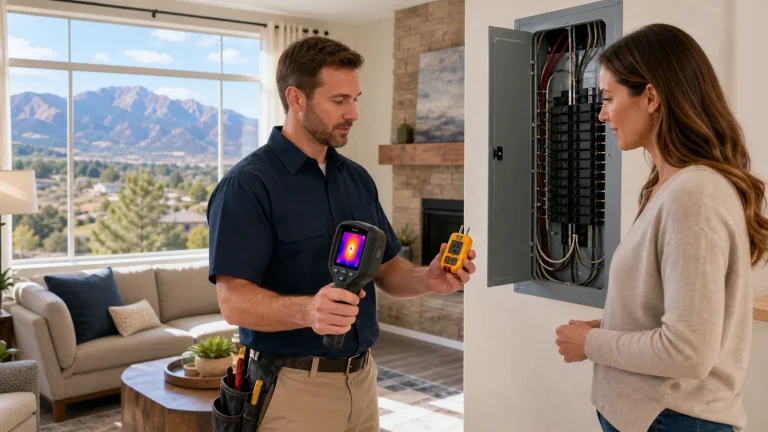
A licensed electrician can look at the whole picture. We review the size and type of service panel, how many circuits you have, what is on each circuit, the age and condition of the wiring, and how your family actually uses heat and appliances during cold spells. Sometimes the fix is as simple as moving a few loads to different circuits. In other homes, the system needs upgrades to stay safe and comfortable through winter.
Right-sizing your electrical capacity does more than prevent nuisance breaker trips. It helps reduce fire risk, keeps heaters and other equipment running more smoothly, and gives you more peace of mind when a cold snap hits and everything is working hard at once.
Smart Space Heater Use Without Overloading Circuits
Space heaters can help warm cold corners, but they pull a lot of power through a single outlet. That makes how you use them very important for safety. As a general rule, treat each space heater like a major appliance.
Safer habits for space heater use include:
- Plug one space heater into a circuit at a time
- Plug heaters directly into wall outlets, never into extension cords or power strips
- Keep heaters away from curtains, bedding, and furniture
- Turn heaters off when you leave the room or go to sleep
The electrical risks rise when older or worn outlets are involved or when several high-wattage devices share one circuit. A typical problem circuit might have a space heater plus a hair dryer, microwave, vacuum, or power tools. That combination can push the circuit past its safe rating, even if everything seems to work for a while.
Before heavy winter use, it helps to learn which outlets are on which breakers. A simple, careful circuit check can include:
- Turning off one breaker at a time and noting which outlets and lights go off
- Labeling that breaker clearly in the panel
- Writing down where you usually plug in space heaters
If you find that your favorite heater locations share circuits with other big loads, that is a sign to rethink things. Times to bring in a professional include:
- Adding dedicated circuits for space heaters or shop heaters
- Upgrading old two-prong outlets to properly grounded three-prong outlets
- Replacing outlets or switches that are loose, discolored, cracked, or feel warm
Having the right circuits in the right places makes space heaters safer and more convenient to use through the coldest days.
Guarding Against Ice, Snow, and Moisture Intrusion
Ice and snow do not just sit on your roof. As they melt, water can work its way into outdoor outlets, light fixtures, meter bases, and conduit. When that happens, you can see corrosion, ground faults, nuisance breaker trips, or even shock hazards.
A quick outdoor electrical check before winter sets in can include:
- Inspecting all exterior outlets and replacing missing or broken in-use outlet covers
- Checking that weatherproof gaskets around covers are flexible and intact
- Looking for rusted or cracked light fixtures and boxes
- Watching for sagging conduit, loose fittings, or water staining near exterior panels
Colorado brings some special moisture challenges. Strong winds can blow snow under soffits and into vented areas. Ice dams along gutters can stress service drops and drip near meter bases or mastheads. Freeze-thaw cycles can open small gaps around wall penetrations where conduit and boxes enter.
GFCI and AFCI protection are especially important outdoors and in damp or partially finished spaces like garages and unfinished basements. GFCI devices help reduce the risk of shock where water might be present. AFCI devices are designed to sense certain types of arcing that can lead to fires. Upgrading these protections, where required or recommended, can make your home safer and often aligns better with current code expectations.
Presale Electrical Tune-up for Colorado Buyers and Inspectors
If you plan to sell your home, winter electrical problems can quickly turn into inspection objections. Buyers and inspectors tend to focus on visible safety and age-related issues. In Colorado homes, they often pay close attention to:
- The main electrical panel: missing labels, open slots, rust, or signs of overheating
- DIY wiring: loose junction boxes, odd splices, or mixed wire types
- Older ungrounded two-prong outlets and outdated switches
- Missing or outdated smoke and carbon monoxide detectors
- Obvious overuse of extension cords and plug-in strips
A basic pre-sale electrical checklist for Colorado Springs homeowners might include:
- Making sure every breaker in the panel is clearly and accurately labeled
- Installing missing cover plates on switches, outlets, and junction boxes
- Repairing or replacing damaged, loose, or noisy switches and receptacles
- Confirming GFCI protection in kitchens, bathrooms, garages, unfinished basements, and outdoor outlets
Beyond these basics, some higher-impact electrical upgrades can help your home show better:
- Having a professional evaluate your panel for age, capacity, and condition
- Adding dedicated circuits for key appliances like microwaves, freezers, or shop tools
- Improving lighting in darker basements, garages, or entry areas with updated fixtures
- Replacing older fixtures that buzz, flicker, or look unsafe to a casual eye
When your electrical system looks well cared for and functions smoothly, it can support smoother inspections, fewer repair requests, and more confidence from buyers, especially in older homes or homes with past remodeling work.
Turn Your Seasonal Checklist Into a Safer Home
Staying ahead of winter with simple electrical maintenance in Colorado Springs can save you from a lot of stress. Checking your heating loads, using space heaters wisely, protecting your outdoor wiring from ice and snow, and cleaning up obvious safety issues before a sale all work together. The result is fewer surprise outages, more comfort, and a home that feels solid and cared for.
At Pink Brick Electric, we focus on troubleshooting, upgrades, lighting, and remodel wiring for homeowners in Colorado Springs, Monument, Castle Rock, and surrounding areas. Many families find that walking through a checklist like this every late fall or early winter helps catch issues while they are small, long before showings, inspections, or the coldest nights. Keeping a simple written record of what you fix and upgrade each year can also give future buyers and inspectors proof that your electrical system has not been ignored but checked and improved with care.
Get Started With Your Project Today
If you are ready to make your home safer and more reliable, our team at Pink Brick Electric is here to help with expert electrical maintenance in Colorado Springs. We will assess your current system, explain your options in clear terms, and complete the work with careful attention to detail. To schedule a visit or ask questions about your specific project, simply contact us and we will follow up promptly.