Electrical problems in a home rarely start big. They usually start small, with a light that flickers here and there or a breaker that trips now and then. Those little signs are often your home telling you something is wrong with the wiring behind the walls.
In Colorado Springs, many houses have older electrical systems mixed with new gadgets, DIY add-ons, and heavier use of electricity. When wiring starts to fail, it can lead to fire risk, damaged appliances, and headaches when it is time for an inspection or a home sale. In this article, we will walk through how local homes put wiring to the test, the warning signs to watch for, and when it is time to bring in a licensed electrician for safe, code-compliant repairs.
Hidden Warning Signs Your Home’s Wiring Is Failing
Across Colorado Springs, we see a mix of classic older homes and newer builds. Older houses may still have aging wiring or past DIY projects hidden in ceilings, crawl spaces, and garages. Newer homes often have more electrical demand than they were first set up for, especially as families add more electronics.
When wiring starts to fail, there is more at stake than just a tripped breaker. Problems can lead to:
- Higher fire risk inside walls
- Damage to appliances and electronics
- Nuisance power loss and flickering lights
- Failed inspections when you try to sell
The good news is many issues show early warning signs. Learning to spot those signs before peak summer usage, when AC units, fans, and outdoor gear are all running, can help you plan safe repairs instead of facing an emergency in the middle of a heat wave.
How Colorado Springs Homes Put Wiring to the Test
Colorado Springs weather is hard on building materials, and electrical systems feel that stress too. Dry air and wide temperature swings can cause materials to expand and contract. Over time, that can lead to brittle wire insulation and loose connections at outlets, switches, and panels, which can increase the chance of arcing and overheating.
As summer heat picks up, electrical systems see even more strain:
- AC units and swamp coolers kicking on and off
- Portable or window AC units added to older circuits
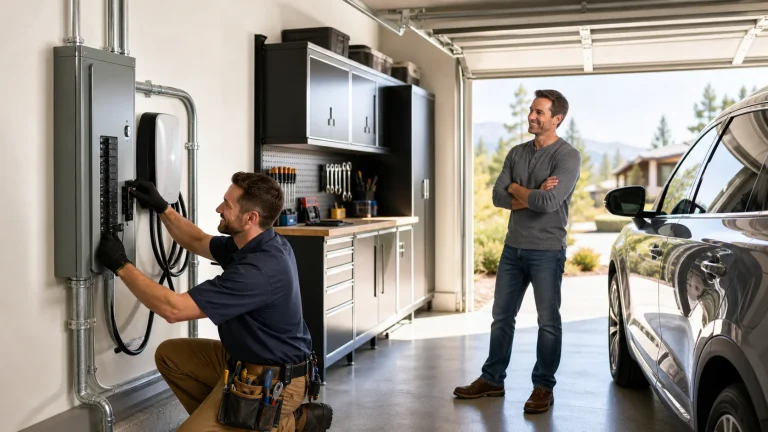
- EV chargers and power-hungry tools in garages
- Outdoor lighting and entertainment on patios and decks
Many local homes were wired long before today’s loads were common. Houses from the mid to late 1900s might still have older materials or layouts that do not match modern needs. In some homes you might find:
- Aluminum branch wiring that needs special care
- Old styles such as knob-and-tube in very old parts of a house
- DIY changes or add-ons made over the years
Even if lights work and outlets seem fine, wiring can still be unsafe if circuits are undersized, overloaded, or not up to current code standards for electrical wiring in Colorado Springs, CO. Modern lifestyles include home offices, gaming systems, multiple TVs, chargers, and smart home gear, all pulling power from circuits that may not have been designed for that load.
Red Flags You Can See, Hear, and Smell
Your home often gives you clues when wiring starts to fail. Some of the easiest ones to catch are visual.
Watch for:
- Outlets or switches that are warm or discolored
- Brown or black scorch marks around devices
- Melted or warped plastic on covers or plugs
- Flickering or dimming lights, especially when a large appliance turns on
- Breakers that keep tripping on the same rooms or appliances
Also look at the hardware itself. Loose outlets and switches that move when you plug something in can signal worn connections behind the cover. Cracked faceplates or visible frayed wires in basements, garages, or crawl spaces should never be ignored.
Your ears and nose can also warn you of problems. Pay attention if you notice:
- Buzzing, crackling, or sizzling sounds from outlets, fixtures, or the panel
- Noises that start when an AC unit, microwave, or vacuum kicks on
- A burning smell, hot plastic odor, or a fishy smell near outlets or light fixtures
If these smells or sounds appear when you are running several devices or the AC is working hard, that can mean the wiring is overheating.
Breaker and outlet behavior is another sign. Repeated breaker trips or fuses blowing on the same circuit point to a deeper issue than “too many things plugged in.” Breakers that feel hot or will not reset safely need prompt attention. GFCI outlets in kitchens, bathrooms, garages, or outdoors that constantly trip, refuse to reset, or are missing in areas that should be protected often signal outdated or compromised wiring.
Hidden Wiring Problems Behind the Walls
Not every wiring issue is easy to see from the living room. Many of the most serious problems hide behind drywall and inside junction boxes.
Over time, wire insulation can dry out and crack, especially in attics or unconditioned spaces. Rodents in crawl spaces and garages sometimes chew on insulation, leaving bare spots that can arc and spark. Loose wire connections in boxes, switches, and outlets can work on and off for a while, but may overheat and fail without much warning.
Common hidden trouble spots include:
- Aluminum branch-circuit wiring that was never updated
- Backstabbed connections on outlets and switches that loosen over time
- Overloaded junction boxes stuffed with too many wires
- Ungrounded two-prong outlets still serving modern electronics
DIY wiring adds even more risk. We often see permanent use of extension cords or power strips where new outlets or dedicated circuits should have been installed. Incorrect wire sizes, mixed materials, or improper splices tucked into walls can all lead to overheating and failure.
Service panels and grounding systems are another key part of safe electrical wiring in Colorado Springs, CO. An undersized, outdated, or overcrowded panel can no longer safely support added AC units, EV chargers, or new circuits. Without proper grounding and bonding, your home’s protection against shock and power surges is weaker than it should be, and that can affect both safety and code compliance.
When to Call a Licensed Electrician Right Away
Some electrical problems are more than “signs to watch.” They are reasons to stop using the affected area and get professional help right away. Urgent warning signs include:
- Burning smells, smoke, or visible scorch marks that appear suddenly
- Outlets, switches, or panels that are hot to the touch
- Sparks when you plug in or turn something on
- Any sign of an active electrical fire
If you see or smell these issues, shutting off power to that circuit or, if needed, the whole house at the main panel is often the safest move before anything else happens.
Other signs may not be an emergency this minute, but still mean it is time to bring in a pro:
- Breakers that trip often, even with light use
- Partial power loss in parts of the home
- Lights that drastically dim when a major appliance starts
- Ongoing GFCI trips in wet or outdoor areas
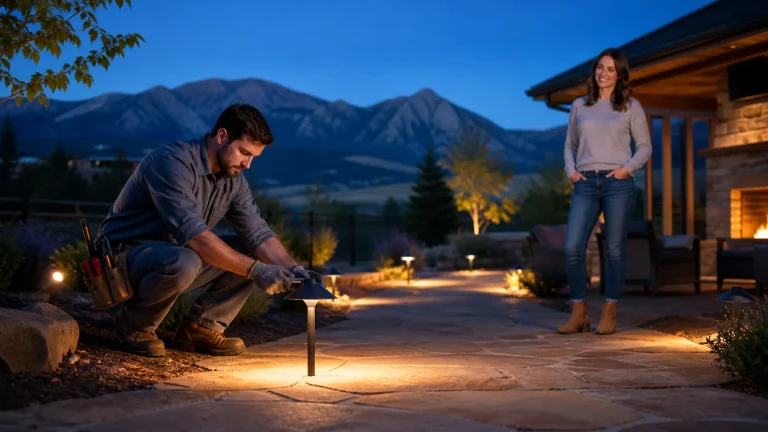
Seasonal changes are a good time to think ahead. Before you add window AC units, a new AC system, a hot tub, or an EV charger, a licensed electrician can confirm that your wiring and panel can handle the extra load. It also helps to have outdoor outlets, landscape lighting, and patio circuits checked before heavy warm-weather use.
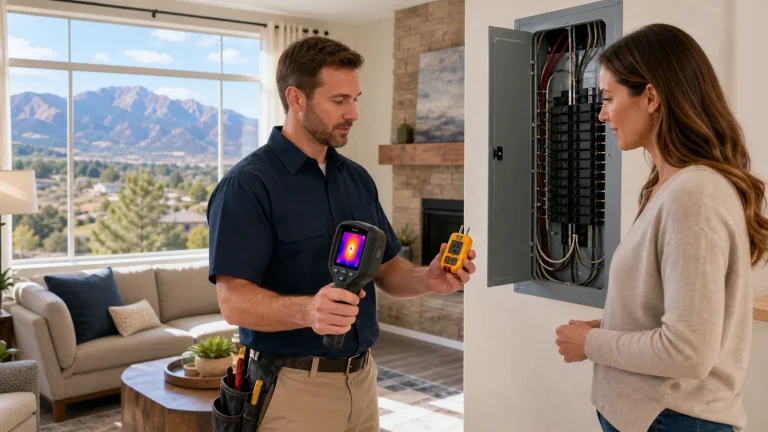
A professional evaluation by a licensed, insured, owner-operated electrician like Pink Brick Electric typically includes checking circuits, panels, outlets, and visible wiring for safety and code compliance. From there, we can explain where the weak points are, recommend repairs or upgrades, and help you plan any rewiring projects so your home is safer and more reliable all year.
Get Started With Your Project Today
If you are planning upgrades or new electrical wiring in Colorado Springs, CO, we are ready to help you design and install a system that fits your home or business. At Pink Brick Electric, we take the time to understand your goals so your project is completed safely, on budget, and up to code. Reach out to our team with your questions or project details, and we will provide a clear plan and straightforward pricing. To schedule service or request an estimate, simply contact us today.