Stay Cool and Safe with a Code-Compliant Fan Swap
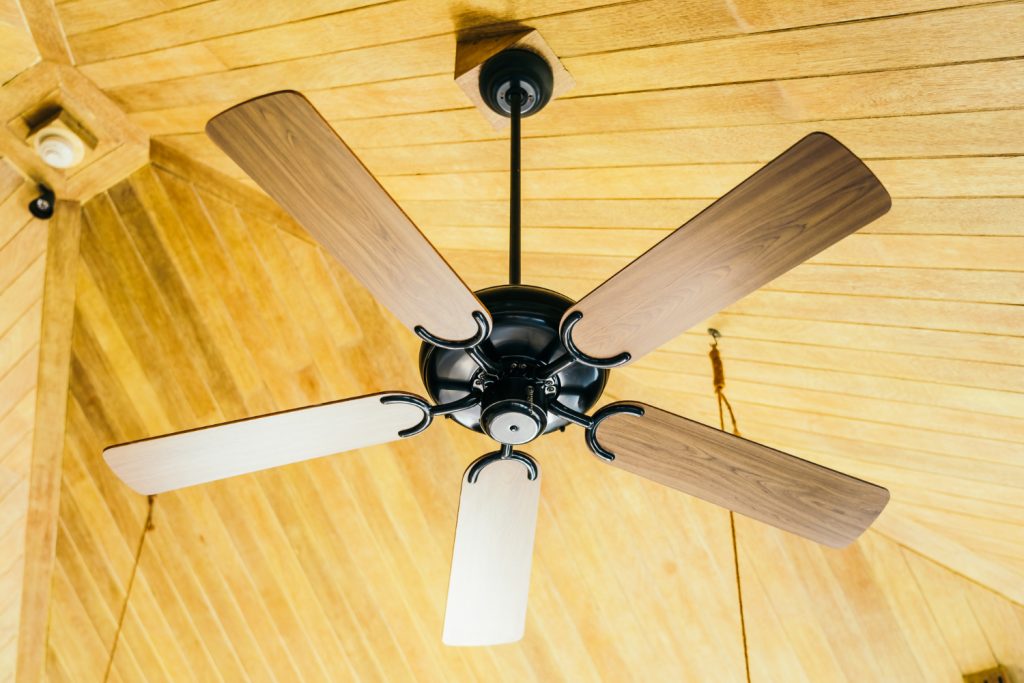
Ceiling fan replacement in Colorado Springs is one of the most common home upgrades. A new fan can move air better, lower how often you run the AC, and make a dated room look fresh again. It feels like a simple project: take the old fan down, hang the new one, flip the switch.
But once we get into the ceiling, things can change fast. Older homes in Colorado Springs, Monument, Castle Rock, and nearby areas often have aging boxes, no grounding, or crowded circuits. When you touch that wiring or support, you may trigger permit rules and current electrical code requirements.
The big idea is this: a fan swap is not always “just a fan swap.” To stay safe and pass inspections, you may need to upgrade the fan box and brace, add proper grounding, or adjust the circuit. That is what keeps the fan quiet, sturdy, and safe above your head.
When a “Simple” Ceiling Fan Replacement Needs a Permit
Many homeowners start with the thought, “It is just a replacement, why would I need a permit?” In our area, once you change more than the fixture itself, you are often doing work that should be permitted. That is because you are now affecting the wiring, the support, or the way the circuit is laid out in the home.
Common situations where a permit is typically required include:
- Swapping a basic light-only ceiling box for a fan-rated box and brace
- Adding a new circuit or extending an existing one for a new fan or light
- Moving the fan to a new location in the room
- Adding extra fans on a circuit that did not have that load before
Permits are not just paperwork. They help make sure the work:
- Meets Colorado electrical code and local amendments
- Is inspected for safe wiring and support
- Looks right to home inspectors during resale
- Reduces the risk of unsafe DIY connections that could overheat or arc
When you upgrade more than the fan itself, it is smart to treat the job as real electrical work, not just a quick hardware change.
Fan Boxes, Braces, and Structural Safety Above Your Head
The box in your ceiling was not always designed for a fan. A light-only box is usually made to hold a light that just hangs there. A modern ceiling fan is heavier and it moves. That constant spin can shake loose weak supports, which is why the code calls for fan-rated hardware.
A proper fan-rated setup usually includes:
- A metal or heavy-duty box listed for fan support
- A brace that connects solidly to framing
- Screws sized and rated for the weight and motion of a fan
Warning signs that your current setup may not be up to code include:
- A fan that wobbles, clicks, or feels loose
- A plastic ceiling box or one held with drywall anchors
- Tiny screws into drywall instead of solid wood
- Markings on the box that say “not for fan support” or similar
Upgrading often means opening the area enough to reach framing, installing a UL-listed fan brace, setting the new box, and making sure everything is tight and straight. That can involve attic work, cutting ceiling openings, and dealing with wiring in cramped spaces. For many homes, this is where the project stops feeling like a simple DIY and starts looking like a job for a licensed electrician.
Grounding and Wiring Issues Hidden in Older Homes
In older Colorado Springs homes, the wiring behind that fan can be a surprise. Some ceilings still have ungrounded wiring or a patchwork of different cable types from different decades. That may not play well with a new metal fan, remotes, or smart controls.
Common code-related issues we find when replacing ceiling fans include:
- No equipment ground in the ceiling box at all
- Mixed neutrals or multi-wire branch circuits tied together the wrong way
- Boxes so full of splices that they exceed box fill limits
- Old, brittle insulation that cracks when you touch it
- Splices outside of any junction box, hidden behind drywall
To make things safe and compliant, the fix might include:
- Adding or extending a proper ground wire to the box
- Replacing the old box and the short run of cable that feeds it
- Moving or correcting splices so they sit inside listed junction boxes
- Adjusting which lights or fans share a circuit if it is already heavily loaded
These updates are not just about passing inspection. Proper grounding and clean wiring lower the risk of shock, nuisance tripping, or damage to your new fan and controls.
Circuits, Controls, and Modern Code Expectations
New ceiling fans often come with more features than the old ones. You might be adding LED lights, built-in remotes, smart wall controls, or higher airflow settings. All of this can change the electrical load on an already busy lighting circuit.
The circuit may need attention if:
- It already supplies many other lights and receptacles in the room
- You are adding a fan where there was only a light before
- You want separate wall switches for fan and light instead of one control
- You are adding smart switches that require a neutral in the box
Modern code also expects certain protections and limits, such as:
- Arc-fault protection in many habitable rooms
- Proper box fill based on the number and size of conductors and devices
- Correct wire size matched to the breaker rating
- Correct terminations so connections stay tight over time
Shortcut fixes can lead to flickering lights, breakers that trip for no clear reason, or overheating inside the box. Getting the circuit right makes your new fan more reliable and helps prevent headaches later.
How a Professional Electrician Makes Your Fan Upgrade Safer
When you approach a ceiling fan replacement in Colorado Springs as a comfort upgrade plus a safety check, you get more than a better breeze. You also get peace of mind that the support, wiring, and circuit behind that fan are ready for many years of use.
A licensed residential electrician can:
- Check if your existing box and brace are fan-rated and secure
- Spot grounding gaps, aging wiring, and crowded boxes
- Evaluate the circuit load and panel space before you add new fans
- Handle permits and inspections when required
- Install the new fan so it runs smooth and quiet without wobble
For homes in Colorado Springs, Monument, Castle Rock, and surrounding communities, that level of care helps keep your family safe while you enjoy the comfort of your new fan.
Get Started With Your Project Today
If your current fan is outdated, noisy, or not keeping your rooms comfortable, we are ready to help you upgrade it the right way. Learn more about our professional ceiling fan replacement in Colorado Springs and see how Pink Brick Electric can improve both comfort and safety in your home. When you are ready to schedule service or request a quote, simply contact us and we will walk you through the next steps.