Why Old Underground Lines Matter for Colorado Springs Homes
Old or abandoned underground electrical lines are easy to forget about until they get in the way of a project or cause a safety scare. Hidden cables can affect future plans for landscaping, irrigation, hot tubs, or a detached garage, and they can also become a real hazard if they are damaged or still live.
In Colorado Springs, Monument, and nearby areas, soil and weather are not gentle on buried electrical wiring. Expansive clay soils shift, freeze, thaw cycles move and crack things, and rocky ground can scrape and pinch cables. Shallow or poorly installed underground electrical in Colorado Springs can slowly break down, letting moisture in and putting people and property at risk.
In this guide, we walk through how underground lines are found, checked, and replaced safely, and where a licensed electrician comes in. Some steps are not safe for homeowners to try on their own, so we will also point out the moments when it is time to bring in a pro instead of guessing.
Spotting Clues of Abandoned Underground Wiring
Most people only think about underground wiring when they see something odd in the yard or near the house. A few common visual clues include:
- Old pedestal boxes or posts in the yard that no longer serve a clear purpose
- Short pieces of capped PVC conduit sticking out of the soil, concrete, or a foundation wall
- Weathered outlets on a fence, old lamp post bases, or abandoned shed panels
- Random junction boxes outside that do not seem to feed anything
Inside, you might notice:
- Breakers labeled “shed,” “spa,” or “yard lights” that do not appear to power anything
- Circuits that trip even though you do not see anything plugged in
- Panel labels that do not match what you see in the house today
Seasonal work often reveals surprises. People discover strange cables or conduit when they:
- Aerate or dethatch their lawn
- Put in edging, trees, or landscape rock
- Run holiday lights around the yard or fence
- Plan late-season projects before the ground hardens
If you see any of these signs, it is smart to assume a line could still be live until a professional proves it is not.
How to Locate Underground Lines Before You Dig
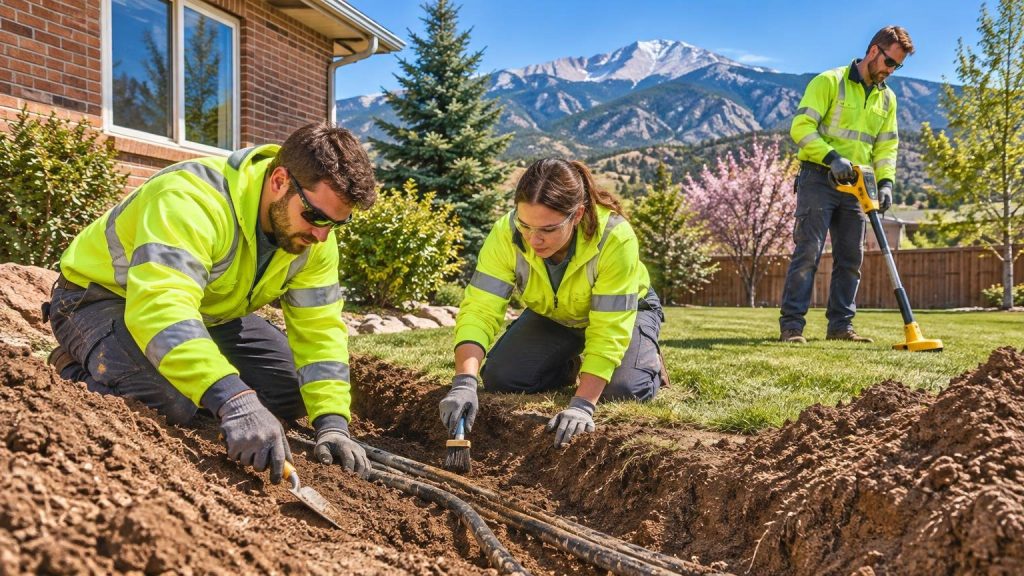
Anytime you plan to dig, even for a small trench or a new planting bed, you must think about buried utilities. Hitting a power, gas, or communication line can be dangerous and expensive.
The first step is always to call 811 before you dig. Public utility locators mark lines like:
- Power from the utility to your meter
- Phone and internet cables
However, 811 locates do not usually cover private lines on your property, such as:
- Power from the house to a detached garage or shed
- Old hot tub or pool equipment feeds
- Landscape lighting circuits
- Power to a gate opener or yard sign
For private underground electrical in Colorado Springs, a licensed electrician can use specialized tools like electromagnetic locators and tracer wires to follow buried lines. This is safer than guessing where you think the old shed or hot tub once sat.
Trying to find lines with a shovel or by “probing around” can damage insulation or cause shock. Having a professional locate the line is often faster and lowers the chance of breaking something that still matters.
Evaluating Whether Underground Cables Are Truly Abandoned
Just because a cable looks old or unused does not mean it is off. A previous owner might have removed a building but left the circuit energized, or disconnected only one end of the wiring. That is why confirming a line is truly abandoned requires care.
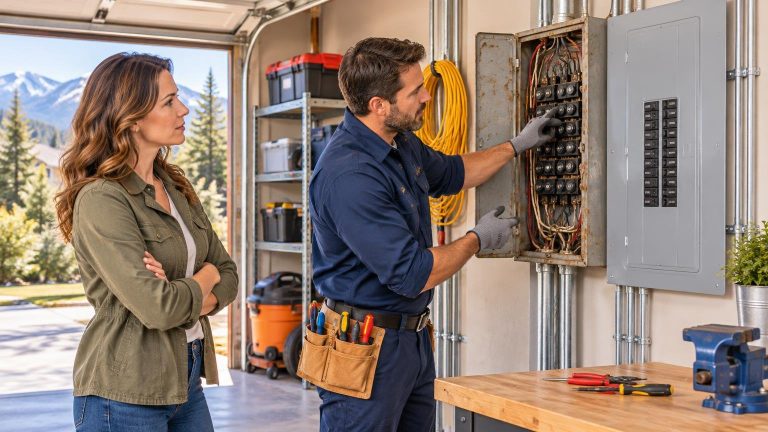
A professional electrician will typically:
- De-energize the suspected circuit at the electrical panel
- Verify the breaker is actually feeding that line
- Use proper meters to test for voltage at safe points
- Confirm there are no connected loads or backfeeds
Homeowners should not open panels or test live circuits. The risk of shock or arc flash is real, even in a house setting.
In this area, we often see:
- Old shed or garage feeds left in the ground after the building was removed
- Former hot tub or spa circuits that still tie into the panel
- Past lamp posts, signs, or gate operators with buried splices
Buried splices without approved boxes, cracked insulation from soil movement, and waterlogged conduits all raise safety concerns. In many cases, the best answer is to remove the old line or terminate it correctly instead of simply leaving it buried and forgotten.
Trenching Depth, Conduit, and Code-Compliant Replacements
If an old underground line is damaged or unsafe, a new code-compliant installation is usually the right fix. The National Electrical Code sets minimum burial depths. Local requirements can vary by installation type, such as:
- Direct-burial cable under a lawn or garden area
- PVC conduit under driveways or walkways
- GFCI protection and other safety features for outdoor circuits
A licensed electrician will confirm the proper depth and method for your specific project and local rules.
When trenching, especially in cooler months, best practices include:
- Watching soil conditions and working around rocks that can damage conduit
- Keeping trenches as dry as possible to avoid muddy cave-ins
- Marking open trenches clearly so people and pets do not fall in
- Protecting nearby concrete, patios, and steps from collapse near the edge
Modern replacements usually include:
- Durable PVC or other approved conduit sized for the wire and future needs
- Correct wire types rated for wet locations and underground use
- Weatherproof boxes and fittings at all terminations
- Thoughtful circuit design for loads like EV chargers, shop tools, heat tape, or hot tubs
Done right, underground electrical in Colorado Springs can last for many years, even with shifting soils and changing weather.
Safely Removing or Abandoning Old Underground Wiring
Once a new line is in place, it is time to decide what to do with the old one. There are two main options.
Full removal during trenching is often best when:
- The old cable runs along the same path as the new trench
- Soil and roots allow it to be pulled out without major damage
- You want a clean slate and no confusion for future owners
Properly abandoning in place may be better when:
- The old line runs under large trees or mature landscaping
- It passes under concrete, stone, or other hardscape
- Removal would cause more harm than good to the property
In either case, a safe process includes:
- Disconnecting the circuit at the panel and confirming it is permanently off
- Removing or capping connections in any junction boxes
- Sealing and labeling any ends that remain accessible
- Updating the panel schedule so it clearly shows that line is out of service
Planning this work before the ground freezes solid makes digging and cleanup easier and helps avoid rushed decisions that could lead to mistakes.
When to Call a Pro for Underground Electrical in Colorado Springs
Some warning signs should always trigger a call to a licensed electrician:
- You are not sure whether an underground line is live or dead
- There are signs of previous DIY electrical work or makeshift splices
- Breakers trip when you use outdoor outlets or equipment
- You ever feel a tingle when touching metal outdoors, like railings or hose bibs
- You are adding or upgrading power to a shed, detached garage, hot tub, or EV charger
At Pink Brick Electric, we focus on safe, code-compliant residential work with clear communication and honest pricing. For underground projects, we take time to explain how the power will be routed, what areas need to be dug up, and how we plan to leave your yard when the job is done.
Get Started With Your Project Today
If you are planning new construction, an outdoor upgrade, or a service repair, we can design and install safe, code-compliant
underground electrical in Colorado Springs that fits your property’s needs. At Pink Brick Electric, we take the time to assess your site, explain your options, and complete the work with careful attention to long-term reliability. Reach out to our team today through our
contact page so we can schedule your on-site evaluation and get your project moving.
Need help with this at home? We offer underground electrical and trenching. Homeowners in Colorado Springs can also see our electrician in Colorado Springs, CO page.