Plan a Safer, Smarter Panel Before Winter Hits
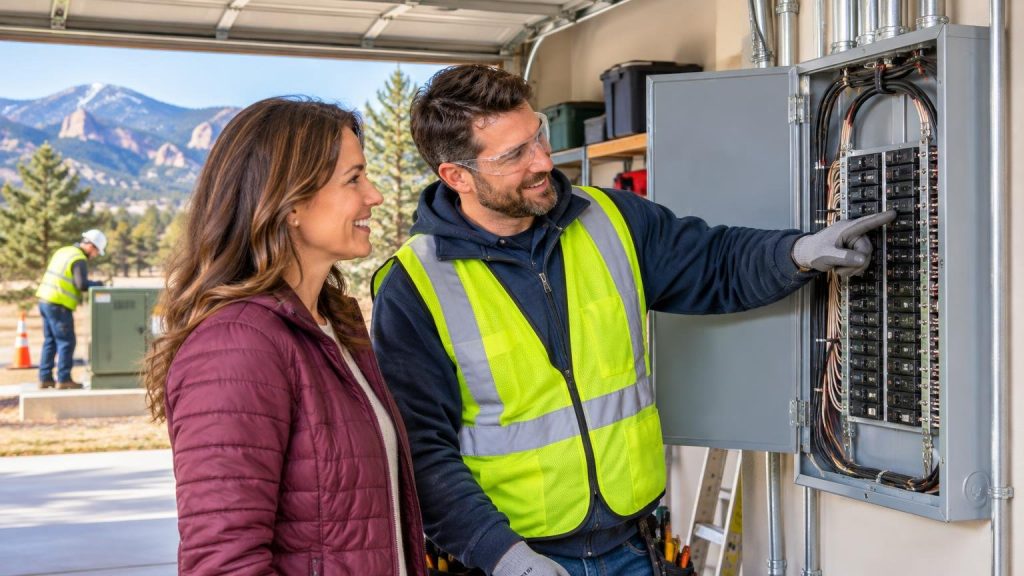
An electrical panel upgrade in Monument is one of those projects that quietly protects your home. When your panel is sized right, your lights stay steady, your breakers stay calm, and your new gear runs the way it should. When it is not, you feel it in nuisance trips, dimming lights, and limits on what you can add.
Fall is a smart time to plan this work in our area. Colder weather, space heaters, holiday cooking, and decorations all push your system harder. If you are thinking about an EV charger, hot tub, finished basement, or a more serious home office, your current panel may not be ready for that extra demand.
In this guide, we will walk through when a bigger panel makes sense, how pros handle load calculations and physical space, what to expect with permits and inspections, and how service upgrades work with Xcel or IREA service. The goal is simple: help you understand the steps so your home is ready before the next big demand hits your wiring.
Know When Your Monument Home Needs a Bigger Panel
Most homeowners first notice panel problems as little annoyances that slowly grow into real limits. If your house is telling you something, it is worth listening.
Common warning signs include:
- Breakers that trip a lot, especially when several appliances run
- Lights that flicker when large loads turn on
- A panel cover that feels warm to the touch
- Buzzing or humming breakers
- Very few or no open spaces left in the panel
Sometimes the need for an electrical panel upgrade in Monument shows up when life changes. You might be planning to add:
- Central AC or mini-splits
- An EV charger in the garage
- Bigger workshop tools or welders
- A full basement finish with more lights and outlets
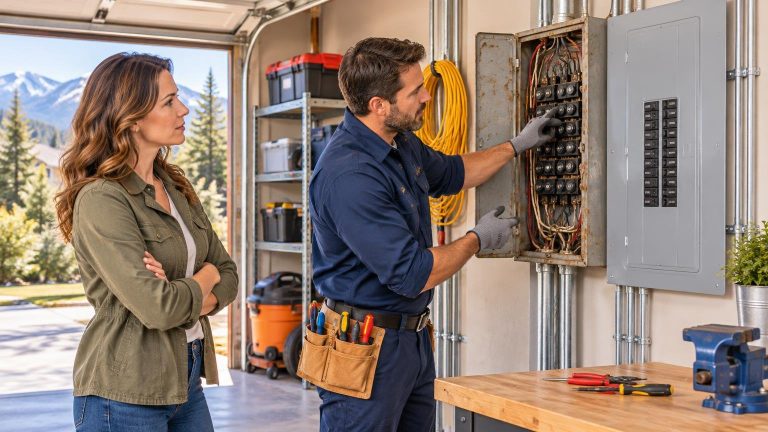
Many older homes in Monument, Colorado Springs, and nearby areas were built with 100-amp or 125-amp services. At the time, those homes did not have EVs, multiple large TVs, home offices, or as many kitchen gadgets as we use now. Codes have also tightened over the years to improve safety. That combination means an older panel can be both undersized and missing modern protection, like more advanced arc-fault and ground-fault breakers.
If you are often choosing which appliance to run or avoiding using certain outlets, that is another hint that your system is at its limit and a larger panel or service upgrade could be a smart move.
Load Calculations and Space: How Pros Right-Size Your Panel
A load calculation sounds technical, but at the core it is a careful checklist. We add up the electrical demand of your home so your panel is not guessing, and neither are you.
A typical residential load calculation looks at:
- General lighting and receptacle loads
- Major appliances, like ranges, dryers, and water heaters
- Special loads like hot tubs, EV chargers, and workshop tools
We follow the National Electrical Code method, which sets out how to count each piece and how to apply demand factors. When we look at an electrical panel upgrade in Monument, we pay attention to both what you have now and what you might add soon. That might include:
- Mini-split systems in bonus rooms or additions
- Accessory buildings, shops, or sheds with power
Right-sizing your panel is not just about amperage. Physical space matters too. Code and safety rules set where a panel can be located and how much working room must be around it. We look at:
- Clear wall space wide enough for the panel and cover
- Working clearance in front, so there is room to safely stand and work
- Panel height so breakers are reachable without a ladder
- Indoor versus outdoor locations that fit Monument and El Paso County rules
In some homes, it makes sense to keep the panel where it is and simply upgrade it. In others, shifting the panel or adding a subpanel offers better long-term flexibility. A good layout now makes future projects easier later.
Permits, Inspections, and Local Code Expectations
Any time you expand or upgrade an electrical panel, you are dealing with the heart of your electrical system. That is why permits and inspections are part of the process in Monument and surrounding communities.
A typical permit path for a panel expansion or service upgrade includes:
- Submitting an electrical permit request with the local authority
- Scheduling an inspection once the work is complete but before everything is closed up
- Making any small adjustments the inspector requests
DIY and unpermitted work can seem tempting, but it often creates bigger problems later. Insurance questions, home sale delays, and safety hazards all tend to show up when there is no record that the work was inspected. A licensed electrician understands the local expectations and how to keep your project on the right track.
Inspectors in our area usually focus on:
- Correct grounding and bonding of the system
- Proper breaker sizes for the wire they protect
- Neat, clear labeling of circuits
- Required arc-fault and ground-fault protection where code calls for it
- Adequate working clearances and secure mounting
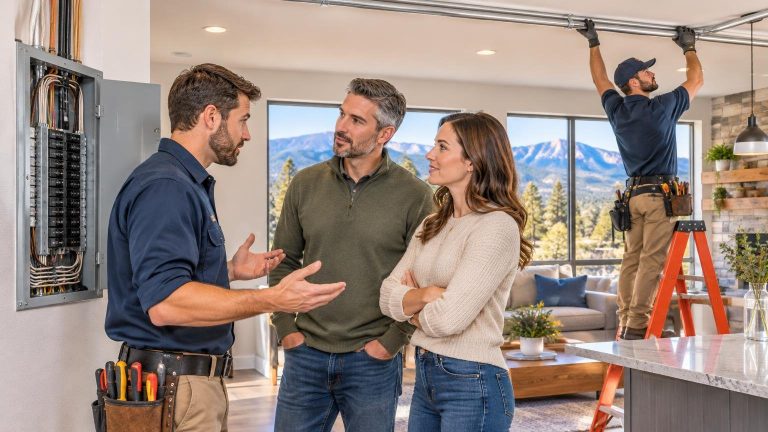
For homeowners, the permit and inspection steps can feel like a maze of forms and rules. A licensed, insured, owner operated electrician can handle the paperwork, code checks, and timing with the local office so you do not have to worry about the details.
Coordinating with Xcel or IREA for Service Upgrades
If your project stays within your existing service size, the utility may not need to do much. But when you move from 100 to 200 amps, go even higher, move service equipment, or switch from overhead to underground service, Xcel or IREA will need to be involved.
Situations that usually need utility coordination include:
- Increasing the main service amp rating
- Relocating the meter or main panel to a different wall
- Converting overhead service drops to underground feeds
The utility has its own steps, which often include:
- Approving the new service layout or meter location
- Setting a date and time window to disconnect and reconnect power
- Requiring clear working access to the meter and service area
Lead times can stretch, especially as more homeowners schedule work during cooler months. Good planning keeps the power-off window as short as possible. We plan the workday around the utility schedule so that:
- Old equipment is removed and new gear is set before the utility arrives
- Any temporary power needs are thought through in advance
- The final inspection and energizing happen in a smooth sequence
That coordination makes a big difference on upgrade day. Your food stays cold, your house is not dark for long, and the new system is ready once the meter is set back in place.
Your Next Steps to a Future-Ready Monument Home
If you think your panel might be undersized, you do not need to become an electrician to move forward. A little simple prep will make a professional assessment faster and more accurate.
Here is a handy homeowner checklist:
- Make a list of current big appliances and planned additions
- Note any issues like frequent tripping, flickering, or buzzing
- Take clear photos of the panel cover and the breakers with the cover open
- Think about future plans, like EVs, hot tubs, or basement finishes
Planning ahead, before heavy winter and holiday usage, gives you more options and less stress. Your system can be ready for space heaters, decorations, guests, and whatever projects you add down the road. When you pair a thoughtful load calculation with a well-sized panel and proper permits, your Monument home is safer, more flexible, and ready for the future of how you live and work.
Get Started With Your Project Today
If your lights are flickering or you are adding new appliances, it may be time to schedule an
electrical panel upgrade in Monument. At Pink Brick Electric, we will evaluate your current system, explain your options clearly, and complete the work with safety as our top priority. Reach out today through our
contact page so we can help you plan the right solution for your home.
Homeowners in Monument can also see our electrician in Monument, CO page.