Make Your Home Solar and EV Ready Without Overspending
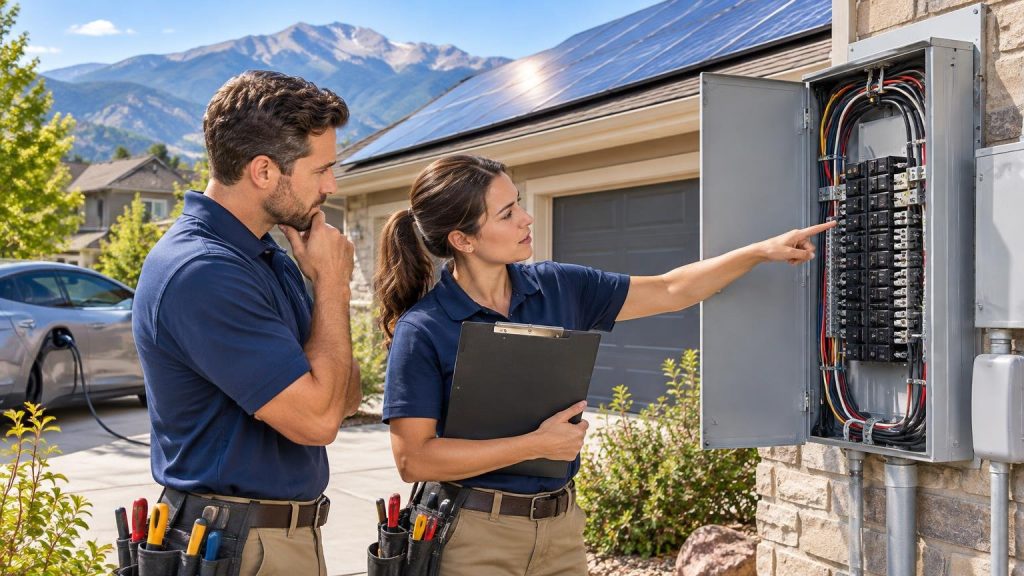
Adding solar, batteries, and an EV charger can put real stress on your electrical system, especially in Colorado homes that were never designed for that kind of load. Many homeowners are told they must jump straight to a full electrical panel replacement in Colorado Springs, even when there might be smarter ways to get ready. The risk of guessing is high, from nuisance breaker trips to surprise permit issues right when you want everything working smoothly.
The big questions usually are: Is 100 amp service enough, or do you really need 200 amp, and do you actually have the panel space to add what you want? Guessing here can lead to denied inspections, last‑minute changes, or starting over on work that was already done. With a proper load calculation, smart panel space planning, and the right interconnection plan, many homes can support solar and EV charging without an immediate full panel swap.
As a local, owner‑operated residential electrician, we pay attention to the way regional codes, utility rules, and seasonal loads affect your home. Things like electric heat, space heaters, and extra lighting often hit right when the weather turns cold. Planning for those peaks upfront helps your system stay safe and dependable when you need it most.
Why Solar and EV Push Your Existing Service to the Limit
Most older homes were wired for simple needs: lights, outlets, a range, maybe an electric dryer, and a few larger appliances. They were not built with solar inverters, Level 2 EV chargers, or battery systems in mind. When you start adding all of that to a service that has been in place for decades, the limits show up fast.
A typical Level 2 EV charger might be on a 40 to 60 amp circuit. Add a solar or battery inverter, and you now have more continuous load and more current moving through your main panel. In colder months, it is common to see:
- Electric heat or heat pump systems running longer
- Space heaters plugged into already busy circuits
- More indoor use of ovens, ranges, and dryers
- Extra lighting on for longer hours
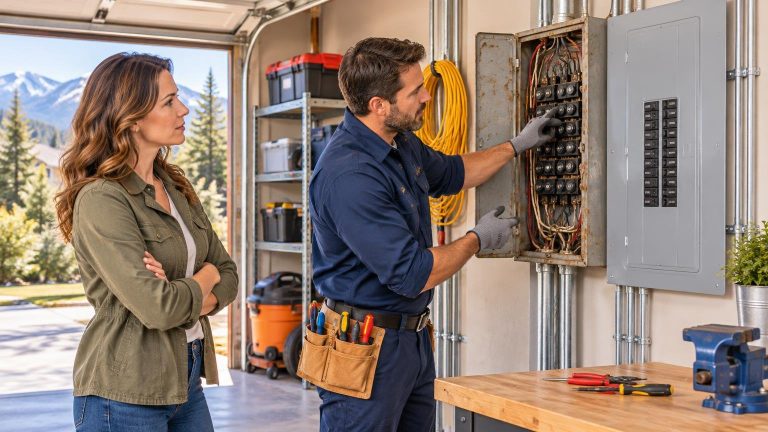
On an older 100-amp service, all of that can push you close to the edge. Signs your current setup is near capacity include:
- Breakers that trip often when several things run at once
- An older main panel that is already packed full
- Lots of tandem or “skinny” breakers stuffed in every open spot
- Past additions that seem squeezed in without much thought
Many homeowners are told that a full electrical panel replacement in Colorado Springs is the only answer. Sometimes that is true, but a careful evaluation can uncover other options that are safe, code-compliant, and easier on your budget.
Smart Load Calculations to Decide Between 100A and 200A
A load calculation is how we put real numbers to all those “what ifs.” It is a method based on electrical code where we add up your current and future electrical needs and compare them to your existing service. Instead of guessing, we run the math and see what your home can truly support.
A good load calculation looks at things like:
- Your home’s square footage
- Fixed appliances such as oven, range, dryer, and water heater
- HVAC equipment and any electric heat
- EV charging plans, both now and in the future
- Planned solar or battery system size
- Seasonal patterns, like heavier winter or summer use
When we compare those results to your 100-amp or 200-amp service, a clearer picture appears. Sometimes a 100-amp service can stay in place if:
- The calculation shows plenty of capacity left
- We use smart load management devices for EV charging
- Large loads are not running at the same time
Other times, the math shows that moving up to 200-amp service is the safer, long‑term choice, especially if you want room for a second EV, a hot tub, or a finished basement later. Accurate load calculations help you:
- Avoid an electrical panel replacement in Colorado Springs when it is not needed
- Present clear information to inspectors and utilities
- Plan upgrades in stages over several seasons instead of one big project
Planning Panel Space for Solar, EV, and Future Upgrades
The amp rating on your service is only part of the story. The physical space inside your panel matters just as much. You need open spaces for new breakers, clear labeling, and safe working room around the panel.
Good panel planning often includes:
- Reserving spots for an EV charger breaker and a solar backfeed breaker
- Re‑organizing circuits so related areas of the home are grouped logically
- Using tandem breakers only where the panel is listed for them
- Adding a subpanel when you are out of safe room in the main panel
We can also make an existing panel “solar ready” or “EV ready” by thinking ahead. For example, planning for:
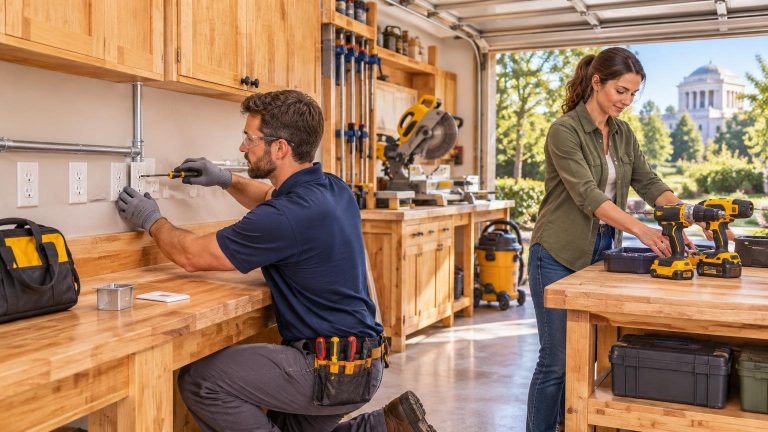
- Conduit routes to the garage, driveway, or carport
- Disconnect locations for inverters and EV equipment
- Interconnection points that will pass inspection
When we design with future space in mind, many homeowners are able to delay a complete panel changeout. You still stay ready for another EV, a mini‑split, or a basement finish, but you are not forced into the biggest possible project all at once.
Interconnection and Permitting in Colorado Springs Made Simple
Getting solar and EV equipment approved and connected always involves permits and inspections. In Colorado Springs and nearby communities, that usually means coordinating with the local authority having jurisdiction and your utility. The process often includes:
- Electrical permit applications
- One‑line diagrams that show how new gear ties into your system
- Service and panel details for review
- Final inspections after the work is complete
On the technical side, there are a few common interconnection methods for existing panels:
- Load‑side taps, where solar connects to breaker spaces inside the main panel
- Line‑side taps, where solar ties in on the service conductors ahead of the main breaker
- Following bus rating limits, often called the 120 percent rule, to keep currents within panel ratings
When panel space is tight, a supply‑side connection can sometimes solve layout problems without changing the panel right away, as long as code and utility rules are followed. Seasonal timing also matters. Shorter days, wet or cold weather, and busy holiday schedules can slow down both field work and utility approvals. Starting early helps your system be ready before your peak winter loads hit.
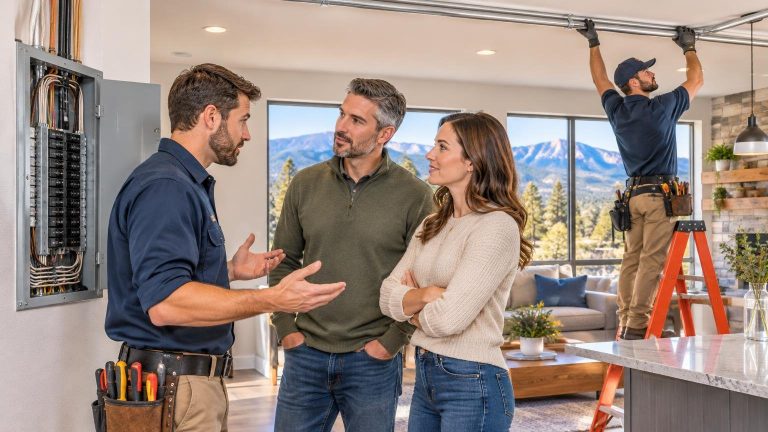
Working with a licensed, insured electrician who understands local code and utility expectations makes the process smoother. Many times there is a compliant interconnection path that does not start with a full panel replacement, but it takes planning to find it.
Take the Next Step Toward a Solar and EV Ready Home
Before you commit to an electrical panel replacement in Colorado Springs, it pays to get a focused load calculation and panel assessment. Collecting a few details ahead of time makes that easier, such as your current panel size and brand, clear photos of the panel and main disconnect, recent power bills, and a simple list of what you want to add over the next few years.
At Pink Brick Electric, we are an owner‑operated residential electrical company serving Colorado communities, and we care about safe, code‑compliant solutions that respect your budget. With a thoughtful “solar and EV readiness” evaluation, we can help you understand what your existing service can handle, what upgrades make sense, and how to phase work so your home can support your clean energy plans for many seasons to come.
Get Started With Your Project Today
If your home is showing signs of outdated wiring or frequent breaker trips, our team at Pink Brick Electric can help you plan a safe, code-compliant upgrade with professional
electrical panel replacement in Colorado Springs. We will walk you through your options, explain what to expect, and complete the work with minimal disruption to your home. Reach out through our
contact page to schedule an inspection and get a clear, upfront estimate.
Related service: EV charger load calculations. Homeowners in Colorado Springs can also see our electrician in Colorado Springs, CO page.